

Articles by this Author
Income Tax
Income Tax
Wrong Portal Code Cannot Bury a Genuine Charity: ITAT Bangalore
Income Tax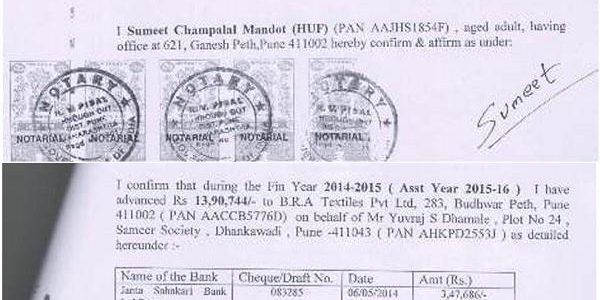
Income Tax
Five Lenders, One Borrower, Fully Explained Trail: Pune ITAT Section 68 & 14A Disallowance
Income Tax
Income Tax
Order Date Not Service Date: ITAT Revives ₹87.28 Lakh Cash-Deposit Case
Income Tax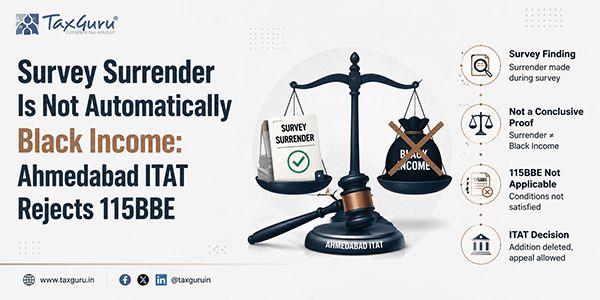
Income Tax
Survey Surrender Is Not Automatically Black Income: Ahmedabad ITAT Rejects 115BBE
Income Tax
Income Tax
Reconciled Third-Party Ledger Differences Cannot Be Taxed Under Section 69A: Mumbai ITAT
Income Tax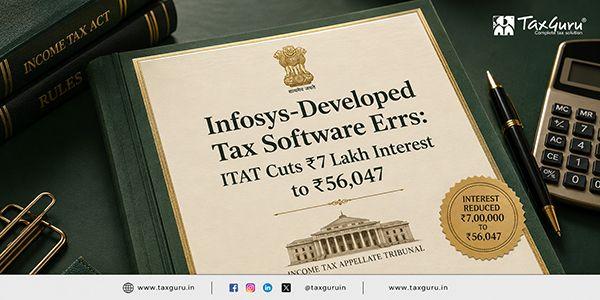
Income Tax
Infosys-Developed Tax Software Errs: ITAT Cuts ₹7 Lakh Interest to ₹56,047
Income Tax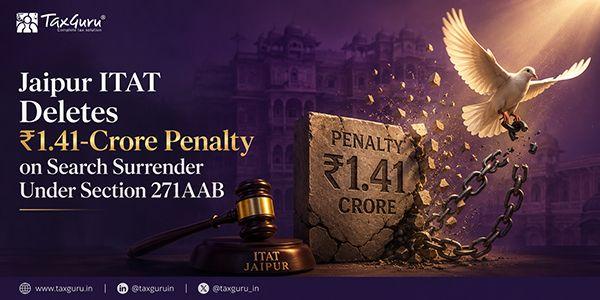
Income Tax
Jaipur ITAT Deletes ₹1.41-Crore Penalty on Search Surrender Under Section 271AAB
Income Tax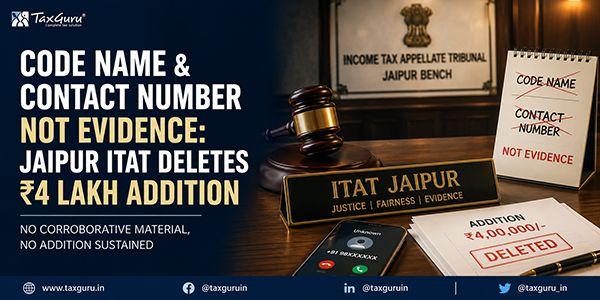
Income Tax
Code Name & Contact Number Not Evidence: Jaipur ITAT Deletes ₹4 Lakh Addition
Income Tax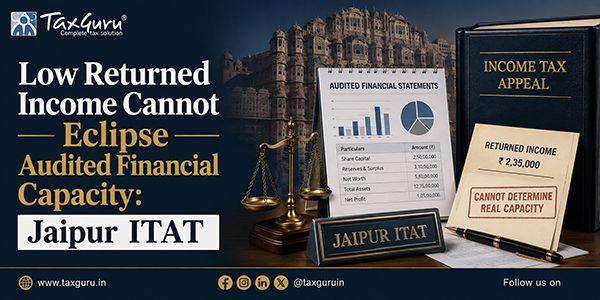
Income Tax
Low Returned Income Cannot Eclipse Audited Financial Capacity: Jaipur ITAT
Income Tax
Income Tax
Demonetisation Cash Cannot Face a Later 60% Rate: ITAT Restricts Section 115BBE Tax to 30%
Income Tax
Income Tax
Wrong Section 151 Sanction Invalidates Reassessment: Pune ITAT Quashes ₹95.31 Lakh Addition
Fema / RBI
Fema / RBI
SAFEMA Tribunal Upholds PMLA Attachment of ₹1.01 Crore Disproportionate Assets
Income Tax
Income Tax
Section 10AA & TP Interlinked: Mumbai ITAT Orders Fresh SEZ Profit Examination
Income Tax
Income Tax

