

Articles by this Author
Income Tax
Income Tax
Mumbai ITAT: PCIT Cannot Invoke Section 263 on Issues Already Pending Before CIT(A)
Income Tax
Income Tax
Mumbai ITAT: Reassessment Beyond Three Years Quashed; Escaped Income Below ₹50 Lakh
Income Tax
Income Tax
Delhi ITAT: Section 153C Assessment Quashed; Assumed Higher Assured Returns-Based On-Money Addition Deleted
Income Tax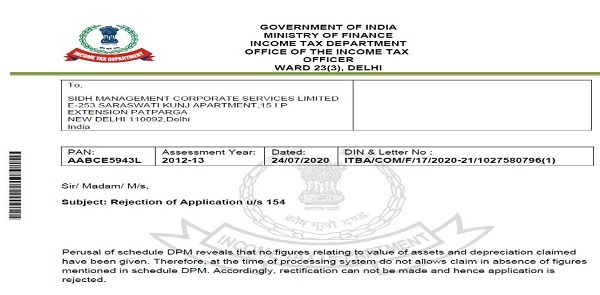
Income Tax
Delhi ITAT: Genuine Depreciation Claim Cannot Be Denied for Schedule DPM Omission
Income Tax
Income Tax
Delhi ITAT: Section 12AB Registration Cannot Be Cancelled for Engaging Builder for Staff Housing Project
Income Tax
Income Tax
Delhi ITAT: Enhanced Security Expenses During Directors’ Dispute Are Allowable Business Expenditure
Income Tax
Income Tax
Alleged Commission Addition Cannot Rest on Loose Third-Party Papers & WhatsApp Chats: ITAT Delhi
Income Tax
Income Tax
Uncorroborated WhatsApp Chats Alone Cannot Sustain Section 69A Addition: Delhi ITAT
Income Tax
Income Tax
Donations from Identified Donors Cannot Be Taxed as Anonymous Donations: Delhi ITAT
Income Tax
Income Tax
No Section 271(1)(c) Penalty if Reopened Return Was Accepted Without Any Addition: ITAT Delhi
Income Tax
Income Tax
Delhi ITAT: Demonetisation Addition Deleted Despite No Cash Balance in Earlier Section 44AD ITRs
Income Tax
Income Tax
Mumbai ITAT: Builder’s Statement Alone Cannot Justify On-Money Addition
Income Tax
Income Tax
Chennai ITAT: Loose Diary Entries Cannot Justify Additions Without Corroboration
Income Tax
Income Tax

