

Articles by this Author
Income Tax
Income Tax
Cancer Treatment Explains Non-Appearance: Karnataka HC Restores Cash Deposit Tax Appeal
Income Tax
Income Tax
Karnataka HC Quashes ₹40-Lakh Reassessment for Limitation Breach
Income Tax
Income Tax
Karnataka HC Quashes AY 2015–16 Reassessment for Belated Section 148 Notice
Income Tax
Income Tax
Section 148 Notice to Non-Existent Company Not Cured by Revival: Karnataka HC
Corporate Law
Corporate Law
Nine-Year Delay & New Employment: P&H HC Awards ₹2 Lakh Compensation
Service Tax
Service Tax
Tax Classification Takes Supreme Route: P&H High Court Closes Wrong Appellate Door
Income Tax
Income Tax
₹37 Crore Came by Bank & Went Back by Bank: ITAT Rejects Revenue’s Section 68 Challenge
Fema / RBI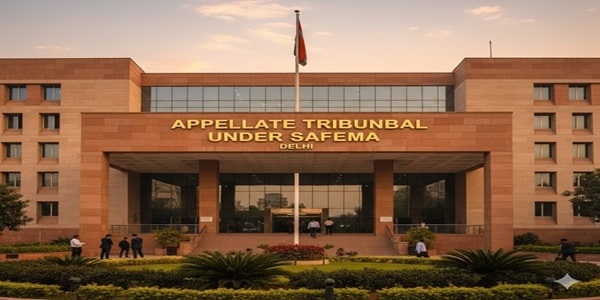
Fema / RBI
No Predicate Offence, No PMLA Attachment: SAFEMA Tribunal Lifts ₹161.22 Crore
Income Tax
Income Tax
Silent Creditors Cannot Turn Real Purchases Into Bogus Liabilities: ITAT Deletes ₹6.96 Crore Additions
Income Tax
Income Tax
Kerala HC Recalls Limitation Victory After TOLA & SC Extension Overlooked
Income Tax
Income Tax
Section 10AA Deduction & ₹19.19 Crore TP Adjustments Remanded: ITAT Mumbai
Income Tax
Income Tax
Belated ITR Filing Request: Kerala HC Directs DCIT to Decide Within One Month
Income Tax
Income Tax
Wrong Forum Condoned, ITAT Remands ₹1.31 Crore Capital-Gain Valuation Dispute
Income Tax
Income Tax

