

Articles by this Author
Income Tax
Income Tax
Old Notes Deposited After 24 November 2016: Does That Make Cash “Unexplained”?
Income Tax
Income Tax
Anonymous Donation Addition Remanded for Donor Verification: ITAT Bangalore
Income Tax
Income Tax
BSNL VRS: A Return Filed on Employer’s Tax Treatment Does Not End Exemption Claim
Income Tax
Income Tax
Section 11 Denial Cannot Make Entire Trust Receipts Taxable: ITAT Bangalore
Income Tax
Income Tax
ITAT Mumbai Allows Proportionate Section 80-IB(10) Deduction Despite one Incomplete Building
Income Tax
Income Tax
Bogus Purchase Addition Cut from 12.5% to 5%: Mumbai ITAT Follows Trader’s Own Earlier Year
Income Tax
Income Tax
Business Correspondent Bank Credits Not Unexplained Money: ITAT Mumbai
Income Tax
Income Tax
Additional Evidence Admitted; House Property Issues Remanded: ITAT Mumbai
Income Tax
Income Tax
Acquired Goodwill as Balancing Figure Eligible for Depreciation: ITAT Mumbai
Income Tax
Income Tax
Free Classes, No Expenses in the Books: Can a Trust Lose Its Registration for That Reason Alone?
Income Tax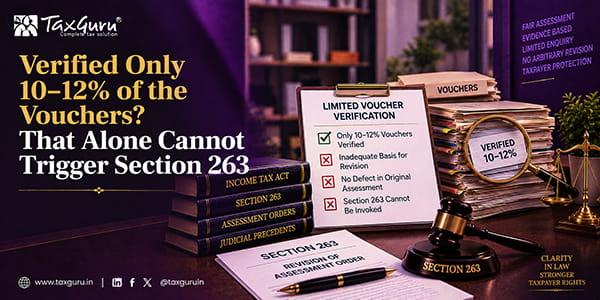
Income Tax
Verified Only 10–12% of the Vouchers? That Alone Cannot Trigger Section 263
Income Tax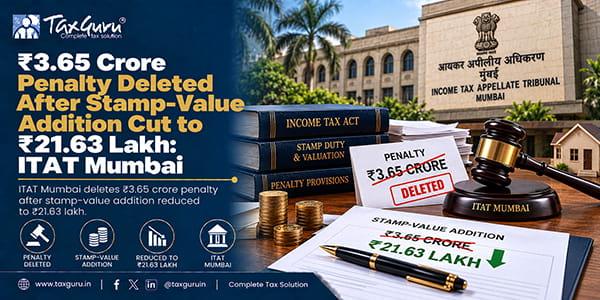
Income Tax
₹3.65 Crore Penalty Deleted After Stamp-Value Addition Cut to ₹21.63 Lakh: ITAT Mumbai
Income Tax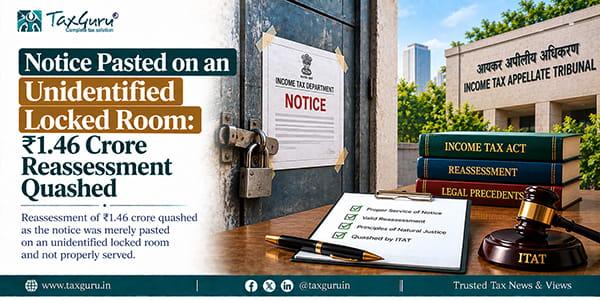
Income Tax
Notice Pasted on an Unidentified Locked Room: ₹1.46 Crore Reassessment Quashed
Income Tax
Income Tax

