

Articles by this Author
Income Tax
Income Tax
Goodwill Amortisation Not an Operating Expense Under TNMM: ITAT Delhi
Income Tax
Income Tax
Reassessment Held Invalid for Non-Issuance of Section 143(2) Notice: ITAT Pune
Income Tax
Income Tax
Delhi ITAT Deletes Section 201 Interest Where Tax Paid & Form 26A Filed
Income Tax
Income Tax
No Section 56 Tax on Agricultural Land Without Capital Asset Status: ITAT Delhi
Income Tax
Income Tax
Third-Party Statements Cannot Sustain Assessment Without Cross-Examination: Mumbai ITAT
Income Tax
Income Tax
Reassessment Quashed for Lack of Competent Section 151 Approval: Mumbai ITAT
Income Tax
Income Tax
Buyback of Unexercised ESOPs Taxable as Capital Gains: Bangalore ITAT
Income Tax
Income Tax
Mumbai ITAT Deletes ₹14 Lakh Accommodation Entry Addition; Search Report Alone Insufficient
Income Tax
Income Tax
Chennai ITAT: Agricultural Income Claim Restored for Fresh Opportunity
Income Tax
Income Tax
Bangalore ITAT Allows AOP Trust to Carry Forward and Set Off Losses Despite No Section 12A Registration
Finance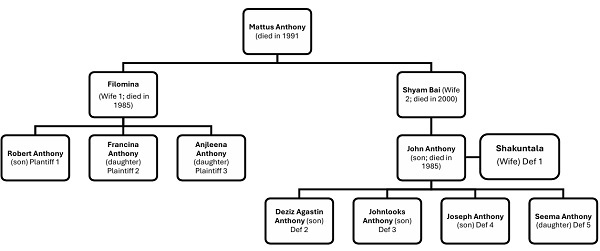
Finance
SC Clarifies Christian Succession: Property in Wives’ Names Belongs to Them
Corporate Law
Corporate Law
SC Holds Registrar Can Amend Service Rules; Executive Communication Valid Under Statutory Authority
Corporate Law
Corporate Law
Supreme Court: Insurer Gets ‘Pay and Recover’ Relief Where Driver’s Licence Was Not Valid on Date of Accident
Corporate Law
Corporate Law

