
Day: May 15, 2026
122 articlesIncome Tax
Income Tax
Calcutta HC Quashes Reassessment Due to Mere Suspicion Without Independent Inquiry
Goods and Services Tax
Goods and Services Tax
Section 132 GST: When Tax Disputes Become Criminal Cases
Goods and Services Tax
Goods and Services Tax
GST Registration Cannot Be Cancelled for Closed Premises Alone
SEBI
SEBI
SEBI Allows InvIT Borrowings Above 49% for Capital Expansion & Debt Refinancing
Corporate Law
Corporate Law
IRDAI Reviews Insurance Sector Growth, Approves Drafting of New Regulations Under SBSR Act, 2025
Corporate Law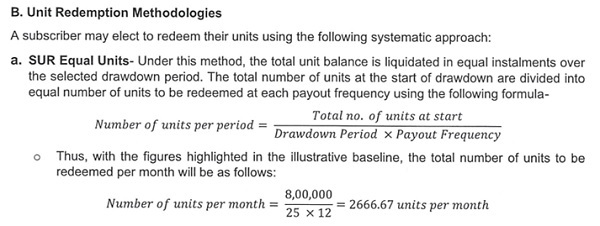
Corporate Law
PFRDA Introduces Flexible NPS Retirement Income Drawdown Scheme
SEBI
SEBI
SEBI Clarifies SPV Status After Concession Agreement Ends
Goods and Services Tax
Goods and Services Tax
Bombay HC Quashes GST ITC Blocking as Restriction Continued Beyond One Year
Income Tax
Income Tax
Section 40(a)(ia) Disallowance Invalid for Mere Short Deduction of TDS: Bombay HC
Income Tax
Income Tax
Agricultural Land Cannot Be Treated as Capital Asset Due to Subsequent Commercial Use by Purchaser: ITAT Hyderabad
Income Tax
Income Tax
Share Premium Received Through Verified Investors Cannot Be Treated as Bogus Cash Credit: ITAT Delhi
Income Tax
Income Tax
Section 69A Addition Upheld Because Assessee Failed to Explain Source of ₹7.5 Cr Cash: ITAT Delhi
Custom Duty
Custom Duty
Foreign Markings Alone Cannot Prove Gold Was Smuggled: CESTAT Hyderabad
Income Tax
Income Tax

