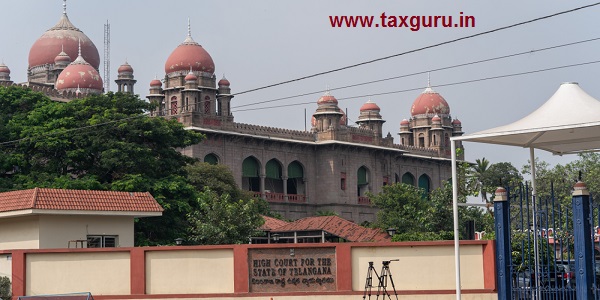
The Calcutta High Court held that a rectification order under Section 154 passed after the statutory limitation period was without jurisdiction. The Court consequently quashed the order and related recovery proceedings.
The Mumbai ITAT held that a mismatch in loan repayment figures arising from an unpresented cheque could not automatically justify addition under Section 68. The Tribunal directed limited verification of subsequent payment before deciding the taxability issue conclusively.
The Tribunal held that differences between customs assessable value and invoice value cannot automatically justify additions under Section 69C. The ruling clarifies that actual unexplained expenditure must first be proved by the Revenue.
The new Income Tax Act, 2025 significantly reduces the number of statutory sections and reorganises tax compliance procedures effective from FY 2026-27. The reforms introduce new forms, revised reporting systems, and simplified compliance mechanisms.
The Bangalore ITAT held that revision proceedings under Section 264 are intended to provide relief to taxpayers and cannot worsen their position. The Tribunal struck down an enhanced addition made after remand proceedings during demonetisation cash deposit verification.
PCIT had erroneously mixed up the scope of renewal proceedings with cancellation proceedings under Section 12AB(4). Further, Settlement Commission itself had accepted the charitable nature and genuineness of the assessee’s activities and PCIT (Central) was found to lack jurisdiction to adjudicate the issue of renewal/cancellation of registration.
The Bangalore ITAT held that the Assessing Officer cannot estimate additional profit merely due to a fall in net profit ratio when books of account are not rejected. The Tribunal ruled that suspicion over self-made vouchers without concrete evidence cannot justify arbitrary additions.
Reimbursement of interim payments from insured banks in priority to other liabilities was a valid exercise of legislative competence. The argument that the DICGC, being an insurer, was limited to the rights of subrogation and could not rank higher than the insured depositors was rejected.
The New Income Tax Act, 2025 replaces multiple TDS and TCS provisions with consolidated Sections 392, 393 and 394 effective from FY 2026-27. The reform simplifies compliance, introduces code-based reporting, and rationalises deduction rates and thresholds.
The Karnataka High Court held that TCS liability under Section 52 arises only when an e-commerce operator collects payment for supplies made through its platform. Since the operator merely facilitated transactions without collecting consideration, GST proceedings under Section 74 were quashed.