RBI data shows profit after tax increased despite moderation in sales growth. Lower interest expenses and higher non-operating income supported profitability.
RBI released draft PPI Directions, 2026 to enhance security, governance, and operational clarity. The key takeaway is stricter compliance norms and improved customer protection in prepaid instruments.
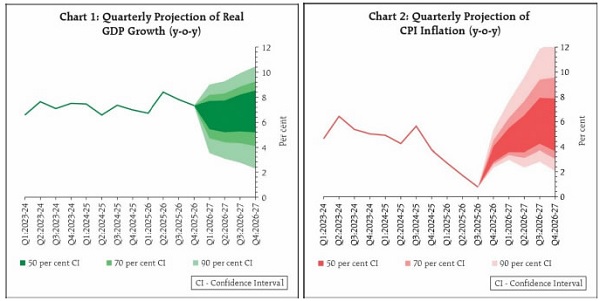
The case examines the MPC’s response to geopolitical tensions and supply shocks. The Committee held rates steady, citing uncertainty and the need for a cautious, data-driven approach.
ITAT Delhi held that revisionary proceedings under 263 of the Income Tax Act justifiable since related-party expenses were accepted without detailed verification. Accordingly, revision is upheld and the present appeal is dismissed.
The Tamil Nadu Commercial Taxes Department directed that adjudication of LTU taxpayers inspected by the Intelligence Wing will now be handled only by Deputy Commissioners (LTU). The circular aims to streamline GST adjudication and improve ease of doing business.
CESTAT Kolkata held that the charge of clandestine removal of goods cannot be proved on the basis of private records recovered during the course of investigation in the absence of any corroborative evidence in support. Accordingly, order set aside and appeal is allowed.
This explains why bank loans are rejected due to poor documentation, weak financials, and unclear business models. It also highlights practical fixes to improve approval chances.
The article explains how IRS audits are initiated and conducted to verify tax return accuracy. It highlights taxpayer duties, rights, and possible outcomes, ensuring clarity on compliance requirements and dispute resolution.
The court examined whether an advocate involved in filing GST returns for fake entities should remain in custody. It granted bail, holding that limited compliance involvement and completed investigation justified release.
The Tribunal held that failure to issue a jurisdictional transfer order under Section 127 invalidates the assessment. It ruled that absence of such order renders proceedings void ab initio, irrespective of merits.