
Type: Trending
3,627 articlesIncome Tax
Income Tax
Late ITR Filing Permitted for Genuine Hardship from Rainfall Disruption & System Issues
Goods and Services Tax
Goods and Services Tax
Bombay HC Dismisses Discharge Application in Alleged ₹1,000 GST Bribe Case
Income Tax
Income Tax
100% Bogus Purchase Addition Restored by SC as Partial Disallowance Found Contrary to Section 69C
Goods and Services Tax
Goods and Services Tax
Delhi HC Raps Appellate Authority for Long-Pending GST Refund Appeals
Income Tax
Income Tax
Reassessment Quashed: Penny-Stock Gains Fully Disclosed, No Evidence of Bogus Deals
Income Tax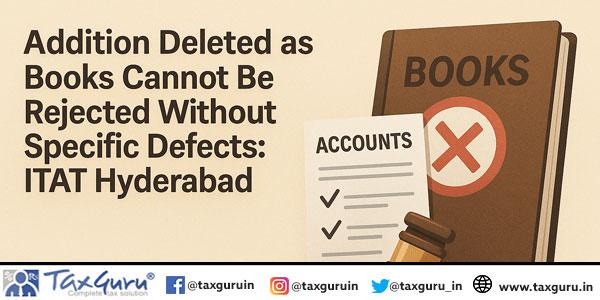
Income Tax
Addition Deleted as Books Cannot Be Rejected Without Specific Defects: ITAT Hyderabad
Goods and Services Tax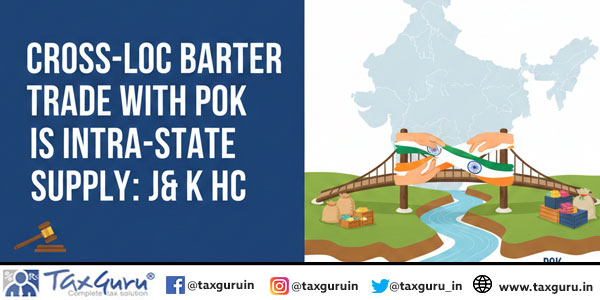
Goods and Services Tax
Cross-LoC Barter Trade With PoK is Intra-State Supply: J&K HC
Goods and Services Tax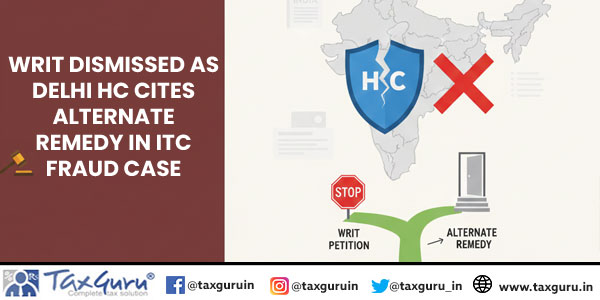
Goods and Services Tax
Writ Dismissed as Delhi HC Cites Alternate Remedy in ITC Fraud Case
Goods and Services Tax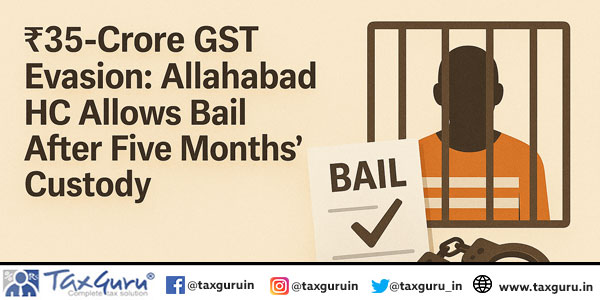
Goods and Services Tax
₹35-Crore GST Evasion: Allahabad HC Allows Bail After Five Months’ Custody
Goods and Services Tax
Goods and Services Tax
UPVAT Penalty Invalid as Suspicion Alone Cannot Prove Tax Evasion: Allahabad HC
Income Tax
Income Tax
No Exempt Income Means No 14A: 270A Penalty Cannot Survive When Quantum Dies
Income Tax
Income Tax
ITAT Deletes Additions Based on Third-Party Digital Data Due to Lack of Evidence
Income Tax
Income Tax
ITAT Mumbai Upholds Deletion of ₹5.85 Cr 40A(3) Addition on Meat Purchases
Income Tax
Income Tax

