
Type: Trending
3,627 articlesIncome Tax
Income Tax
SC Upholds Quashing of Reassessments for Sanction Under Wrong Provision
Income Tax
Income Tax
Full Section 54F Exemption Allowed for Joint Purchase Where Assessee Funded Entire Cost: ITAT Jaipur
Goods and Services Tax
Goods and Services Tax
Ex-parte GST order quashed as notice lacked date, time & place for personal hearing
Income Tax
Income Tax
Cash receipts belonging to Partnership Firm cannot be taxed in hands of partner
Income Tax
Income Tax
No Section 271D Penalty on Cash Payment under Pre-Amendment Property Agreement
Goods and Services Tax
Goods and Services Tax
Supplier’s GST Registration Cancellation Post purchases not Affect Valid ITC Claims
Goods and Services Tax
Goods and Services Tax
Coffee Premix Not Taxable as Beverage Powder Because of Specific Entry: Bombay HC
Income Tax
Income Tax
SC Affirms Addition After Assessee Fails to Prove Bank Liabilities as Genuine
Income Tax
Income Tax
Section 54 Deduction Upheld for Pre-Amendment Foreign Property Purchase
Income Tax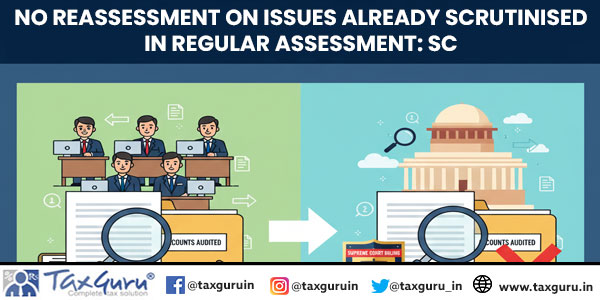
Income Tax
No Reassessment on Issues Already Scrutinised in Regular Assessment: SC
Goods and Services Tax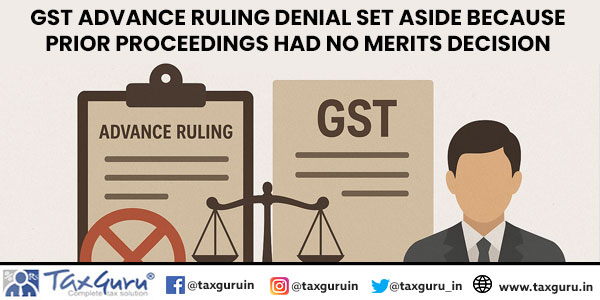
Goods and Services Tax
GST Advance Ruling Denial Set Aside Because Prior Proceedings Had No Merits Decision
Income Tax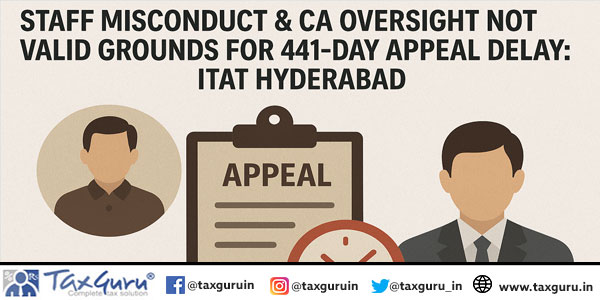
Income Tax
Staff Misconduct & CA Oversight Not Valid Grounds for 441-Day Appeal Delay: ITAT Hyderabad
Income Tax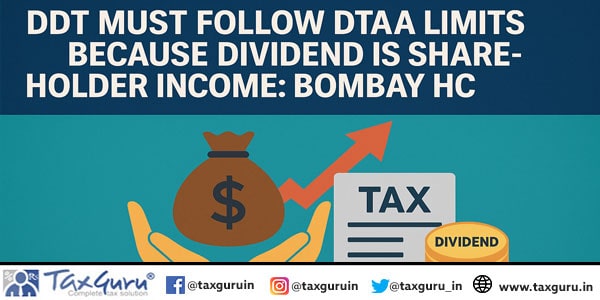
Income Tax
DDT Must Follow DTAA Limits Because Dividend Is Shareholder Income: Bombay HC
Goods and Services Tax
Goods and Services Tax

