
Type: Trending
3,624 articlesIncome Tax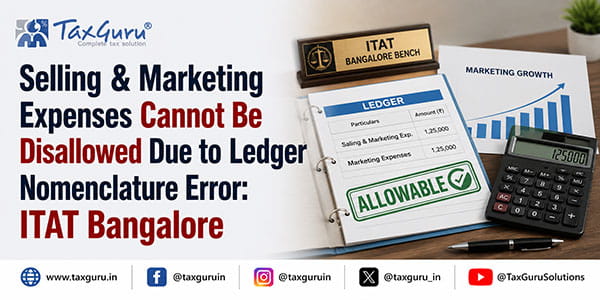
Income Tax
Selling & Marketing Expenses Cannot Be Disallowed Due to Ledger Nomenclature Error: ITAT Bangalore
Corporate Law
Corporate Law
Property Purchased Jointly With Spouse Not Benami Under 1988 Act: Kerala HC
Company Law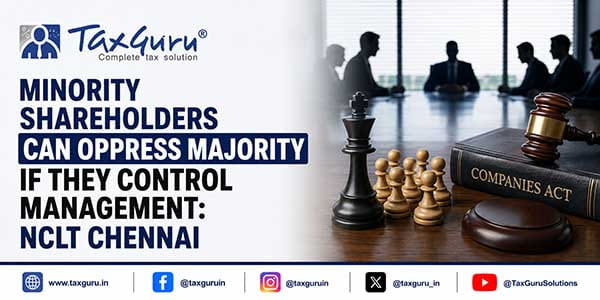
Company Law
Minority Shareholders Can Oppress Majority If They Control Management: NCLT Chennai
Excise Duty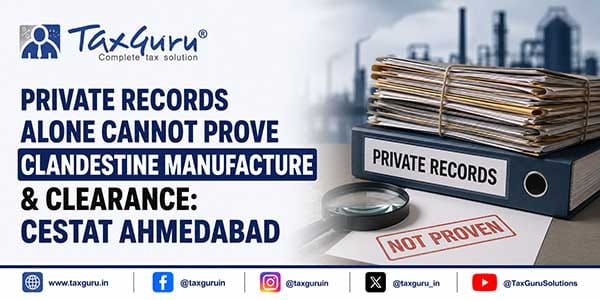
Excise Duty
Private Records Alone Cannot Prove Clandestine Manufacture & Clearance: CESTAT Ahmedabad
Income Tax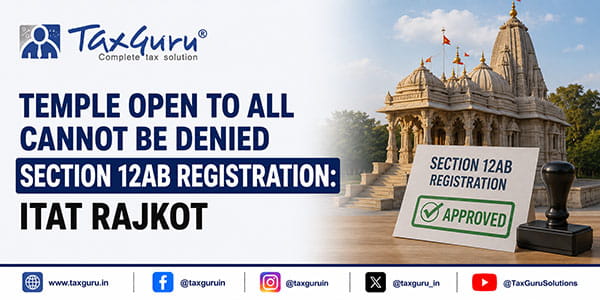
Income Tax
Temple Open to All Cannot Be Denied Section 12AB Registration: ITAT Rajkot
Goods and Services Tax
Goods and Services Tax
P&H HC Quashes GST Order as Hearing Was Fixed Before Reply Deadline
Goods and Services Tax
Goods and Services Tax
Gujarat HC Grants Bail in ₹63 Crore Fake GST ITC Case After Investigation Completed
Income Tax
Income Tax
ITAT Upholds Bogus LTCG Addition on Tanu Health Care & Comfort Intech Shares
Goods and Services Tax
Goods and Services Tax
Typographical Error in E-Way Bill Attracts Only Nominal Penalty: Uttarakhand HC
Income Tax
Income Tax
ITAT Surat Deletes Section 68 Addition on Loan Repaid Within Same Financial Year
Income Tax
Income Tax
Telangana HC Allows Section 54F Exemption Despite Delay in Villa Handover by Developer
Income Tax
Income Tax
No Section 270A Penalty for Bona Fide PAN Classification Error: ITAT Mumbai
Income Tax
Income Tax
ITAT Mumbai Allows Section 10(38) Exemption on JMD Telefilms Share Sale
Income Tax
Income Tax

