
Type: Notifications/Circulars
Find latest notifications, circulars, instructions, orders, guidelines, directions, press releases and regulatory updates across tax, corporate, finance and business laws.

RBI (Commercial Banks – Securitisation Transactions) Directions, 2025
RBI (Rural Co-operative Banks – Responsible Business Conduct) Directions, 2025
RBI (Regional Rural Banks – Know Your Customer) Directions, 2025
RBI (Commercial Banks- Transfer and Distribution of Credit Risk) Directions, 2025
RBI (Rural Co-operative Banks – Know Your Customer) Directions, 2025
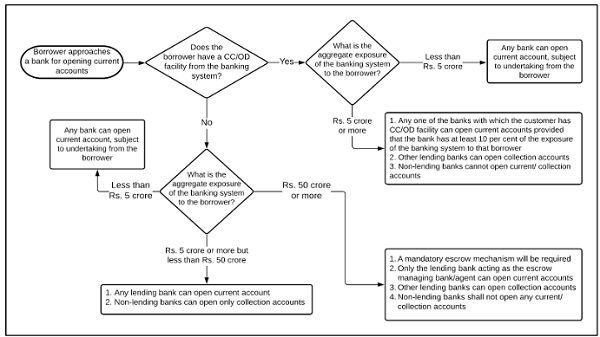
RBI (Commercial Banks – Credit Risk Management) Directions, 2025
RBI (Commercial Banks – Credit Cards & Debit Cards: Issuance and Conduct) Directions, 2025
RBI (Regional Rural Banks – Financial Statements: Presentation and Disclosures) Directions, 2025
RBI (Commercial Banks-Resource Raising Norms) Directions, 2025
RBI (Commercial Banks – Governance) Directions, 2025
RBI (Commercial Banks – Undertaking of Financial Services) Directions, 2025
RBI (Commercial Banks – Branch Authorisation) Directions, 2025
RBI (Commercial Banks – Voluntary Amalgamation) Directions, 2025
RBI (Commercial Banks Acquisition & Holding of Shares or Voting Rights) Directions, 2025
Notifications/Circulars is TaxGuru’s central archive of statutory, departmental and regulatory documents. It brings together notifications, circulars, instructions, guidelines, orders, master circulars, master directions, press releases, public notices, regulations and trade notices covering Income Tax, GST, Customs, Company Law, Corporate Law, DGFT, Excise, Service Tax, FEMA/RBI, SEBI, finance and professional matters concerning CA, CS and CMA. Readers can use the archive and its existing subcategories to locate official and regulatory developments relevant to different subjects covered by TaxGuru.

