
Type: Notifications/Circulars
Find latest notifications, circulars, instructions, orders, guidelines, directions, press releases and regulatory updates across tax, corporate, finance and business laws.
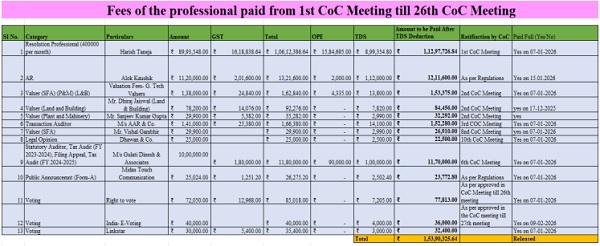
IBBI Suspends Harish Taneja for Two Years Over CIRP Violations

SEBI Modifies OBPP Framework to Permit IFSCA Products and 54EC Bonds

SEBI Allows Debt-Funded Road Maintenance Expenses in InvIT NDCF Framework

SEBI Proposes Simplified KYC Norms for Overseas Investors

Foreign Assets of Small Taxpayers- Disclosure Scheme Rules, 2026

CBIC Revises Customs Tariff Values for Palm Oil, Gold, Silver & Areca Nuts wef 15.08.2026
RIC on Diesel Exports Reduced to Nil from 15 August 2026
ATF Export SAED Rate Revised to Rs. 19.5/Litre from 15 August 2026

SAED on Petrol Exports Restored to Nil from 15 August 2026
Bankers Books Evidence Act 2026

Tribunals Reforms Act 2026 Establishes National Tribunals Commission

Micro Small And Medium Enterprises Development Amendment Act 2026

IBBI Disposes RTI Appeals After CPIO Furnishes Delayed Replies

ROC Cuttack Imposes ₹8 Lakh Penalty for Failure to Appoint Independent Directors
Notifications/Circulars is TaxGuru’s central archive of statutory, departmental and regulatory documents. It brings together notifications, circulars, instructions, guidelines, orders, master circulars, master directions, press releases, public notices, regulations and trade notices covering Income Tax, GST, Customs, Company Law, Corporate Law, DGFT, Excise, Service Tax, FEMA/RBI, SEBI, finance and professional matters concerning CA, CS and CMA. Readers can use the archive and its existing subcategories to locate official and regulatory developments relevant to different subjects covered by TaxGuru.

