
Type: Notifications/Circulars
Find latest notifications, circulars, instructions, orders, guidelines, directions, press releases and regulatory updates across tax, corporate, finance and business laws.
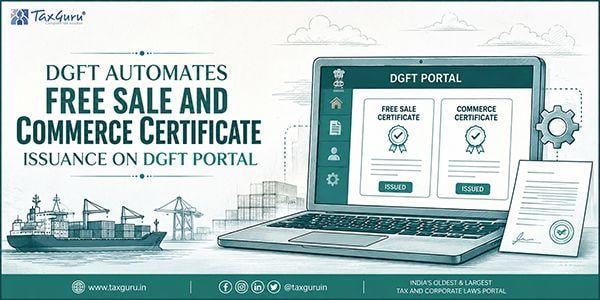
DGFT Automates Free Sale and Commerce Certificate Issuance on DGFT Portal
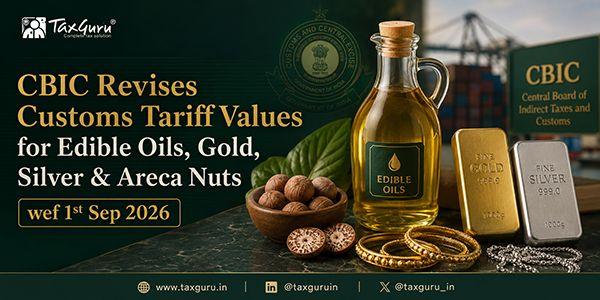
CBIC Revises Customs Tariff Values for Edible Oils, Gold, Silver & Areca Nuts wef 1st Sep 2026

IRDAI Migrates Reinsurance Returns and Functionalities to Integrated BAP Portal

PFRDA Operationalises NPS Scheme Classification, MSF Restructuring and Naming Framework

PFRDA Revises PoP Charges for All NPS and NPS Lite Schemes from October 1, 2026

DGFT Introduces New Features in Bank Guarantee Repository Module
SEBI Extends ETF Trading Norms Implementation Timeline to September 7, 2026

57th GST Council Meeting Scheduled for September 12, 2026 in New Delhi

IRDAI Permits Insurers to Invest in NDB Maharajah INR Bonds as Approved Investments

PFRDA Standardises NPS Scheme Classification, Naming and Subscriber Selection Framework

CBIC Prescribes IGST Payment Procedure for Raw Sugar AA-to-TRQ Conversion

IFSCA (Manner of Payment and Receipt of Premium) (Amendment) Regulations, 2026

IFSCA Mandates Website or Webpage for Fund Management Entities from December 1, 2026
RBI Revises Concentration Risk Framework for IDF-NBFCs in Upper Layer
Notifications/Circulars is TaxGuru’s central archive of statutory, departmental and regulatory documents. It brings together notifications, circulars, instructions, guidelines, orders, master circulars, master directions, press releases, public notices, regulations and trade notices covering Income Tax, GST, Customs, Company Law, Corporate Law, DGFT, Excise, Service Tax, FEMA/RBI, SEBI, finance and professional matters concerning CA, CS and CMA. Readers can use the archive and its existing subcategories to locate official and regulatory developments relevant to different subjects covered by TaxGuru.

