
Type: Featured
10,037 articlesCorporate Law
Corporate Law
Student Not Liable for University Clerical Error in Records: SC
Company Law
Company Law
Auditor–Board Communication Failures: NFRA issues Compliance Warning
Corporate Law
Corporate Law
BCI Confirms IGNOU–ICAI B.Com (A&F) Eligibility for 3-Year LL.B. Admissions
CA, CS, CMA
CA, CS, CMA
Revised ICAI CPE Hour Requirements 2026: New Age-Based Slabs
CA, CS, CMA
CA, CS, CMA
ICAI Revises Conditions for CPE Exemption for Members
Income Tax
Income Tax
On-Money Gross Receipts Not Taxable, Only Profit Can Be Assessed
Corporate Law
Corporate Law
“Menstrual Blood” Remains, Institutional Doors Closed
Company Law
Company Law
Penalty Imposed for Incomplete Allottee Details in return of allotment
CA, CS, CMA
CA, CS, CMA
IRDAI Invites EOIs for GST and Concurrent Audit Empanelment
CA, CS, CMA
CA, CS, CMA
Analysis of Notifications and Circulars for Week ending 4th January 2026
Goods and Services Tax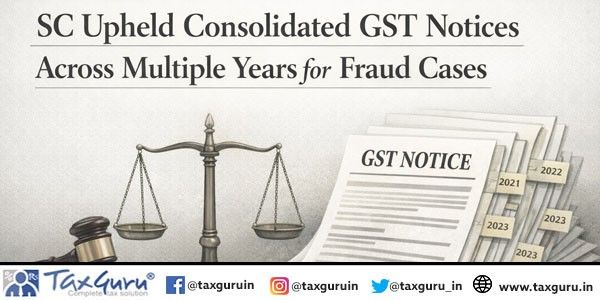
Goods and Services Tax
SC Upheld Consolidated GST Notices Across Multiple Years for Fraud Cases
Goods and Services Tax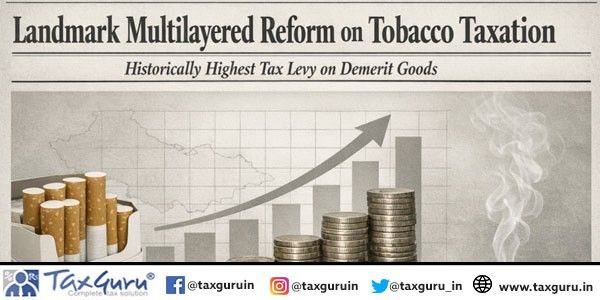
Goods and Services Tax
Landmark Multilayered Reform on Tobacco Taxation – Historically Highest Tax Levy on Demerit Goods
CA, CS, CMA
CA, CS, CMA
Analysis of Notifications & Circulars for Week ending 28th December 2025
CA, CS, CMA
CA, CS, CMA

