Type: Featured
9,929 articlesIncome Tax
Income Tax
Is F&O Profit Covered by Presumptive Taxation – and What Exactly Is “Turnover” for F&O?
Goods and Services Tax
Goods and Services Tax
STBA Seeks Early Activation of GSTR-9 & GSTR-9C Utilities for FY 2025-26
Income Tax
Income Tax
ITAT Bangalore: Property Cost Cannot Be Assumed Nil Merely for Lack of Old Records
Income Tax
Income Tax
ITAT Delhi: Leftover Material Sales Supported by GST Records Cannot Attract Section 69A
Income Tax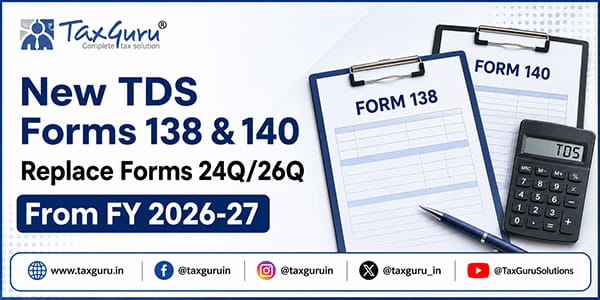
Income Tax
New TDS Forms 138 & 140 Replace Forms 24Q/26Q From FY 2026-27
Income Tax
Income Tax
Rakhi Gifts: Who Qualifies as a Relative for Income Tax?
Goods and Services Tax
Goods and Services Tax
Rule 14A GST Registration: ₹2.5 Lakh B2B Tax Limit
Income Tax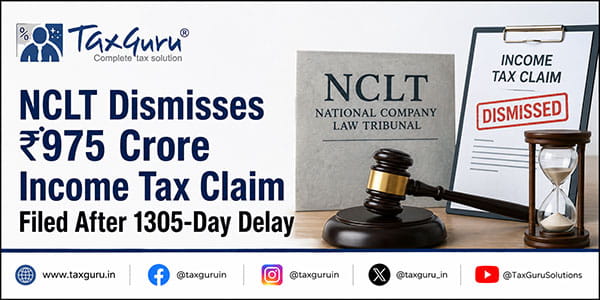
Income Tax
NCLT Dismisses ₹975 Crore Income Tax Claim Filed After 1305-Day Delay
Finance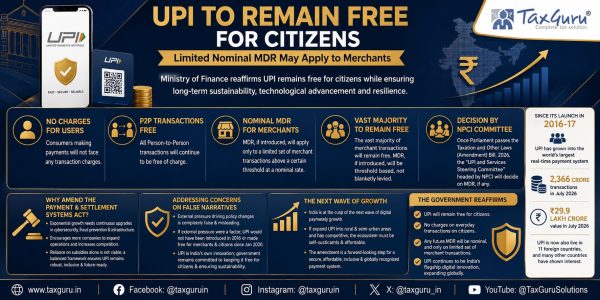
Finance
No Charges for UPI Users; Limited Nominal MDR May Apply to Merchants: Finance Ministry
Goods and Services Tax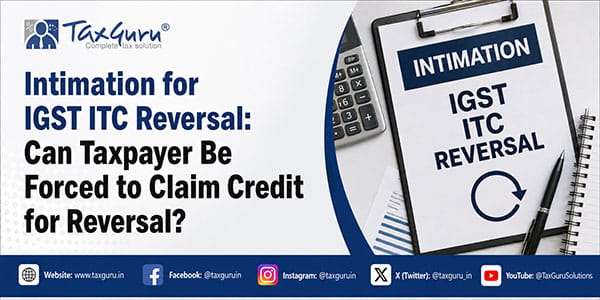
Goods and Services Tax
Intimation for IGST ITC Reversal: Can Taxpayer Be Forced to Claim Credit for Reversal?
Goods and Services Tax
Goods and Services Tax
Blank Verification Report Cannot Justify GST Registration Cancellation: Karnataka HC
Goods and Services Tax
Goods and Services Tax
CBIC Directs GST Coordination with State Mining Authorities to Curb GST Evasion
Income Tax
Income Tax
Will UPI Transactions Be Charged? Government Clarifies After Lok Sabha Passes Bill
Goods and Services Tax
Goods and Services Tax