The Tribunal upheld relief where the assessee provided proof of agricultural activities and income. It rejected additions based solely on statements without investigation. The case underscores the importance of documentary support.
The scheme provides a last opportunity for defaulting companies to file pending returns and financial statements with reduced penalties. It emphasizes that failure to comply within the window may lead to strict regulatory action, including strike-off.
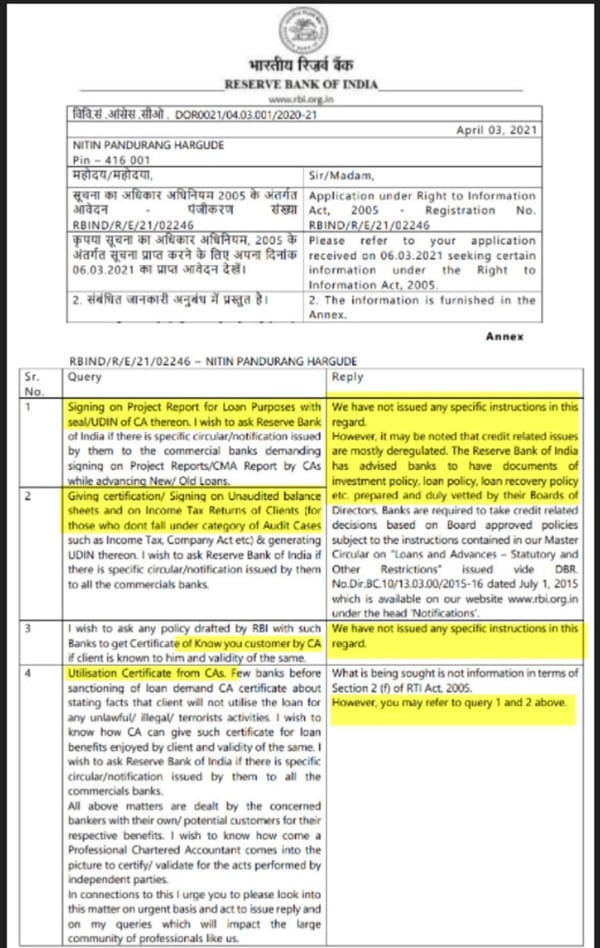
Banks are asking CAs to issue end-use and KYC certificates without regulatory support. RBI confirms no such requirement exists, highlighting the need for professionals to avoid unauthorized certifications.
The Court ruled that ITC on GIDC charges is allowable where no construction is involved. It also held that Section 74 proceedings fail without fraud or suppression.
The Tribunal held that total investment in the new property must be considered for exemption, not just payments within one year. It allowed full capital gains exemption as conditions were substantially met.
The issue concerns revision of Dearness Relief rates for pensioners. The government increased DR from 58% to 60% effective January 2026. The key takeaway is that all eligible pensioners will receive enhanced benefits with immediate implementation.
The case addresses cancellation of a banking licence for non-compliance with statutory conditions. The regulator held that continued operations were against depositor and public interest.
ITAT Mumbai deleted Section 69 addition on alleged on-money, holding third-party statements and unverified pen drive data lack evidentiary value without corroboration or cross-examination, upholding natural justice.
The Tribunal held that deposit in the capital gains scheme is not required if the entire amount is invested before filing the return. The claim was allowed subject to verification.
The Tribunal noted that statements relied upon were later retracted and lacked corroboration. It held that such statements cannot form sole basis of addition. The ruling emphasizes need for supporting evidence in tax proceedings.