The issue was whether third-party diaries using code “DD” can justify 153C action. ITAT held that without clear identification and corroboration, such evidence is insufficient and proceedings are invalid.
The issue was whether compensation paid to flat buyers was capital or revenue expenditure. The Court held it to be revenue expenditure as it was incurred for business purposes and commercial expediency.
The issue concerns vague GST cancellation notices lacking facts. Courts held that absence of details violates natural justice and invalidates proceedings.
The issue is India’s scattered legal framework for organised crime. The analysis highlights that lack of a unified law weakens enforcement and calls for comprehensive reforms.
The Tribunal held that complete disallowance was excessive despite lack of full documentation. It allowed 50% deduction considering business necessity. Key takeaway: partial evidence can justify partial allowance.
The consolidation into Form 121 introduces stricter documentation and reporting obligations. The decision emphasizes accountability and structured tax reporting mechanisms.
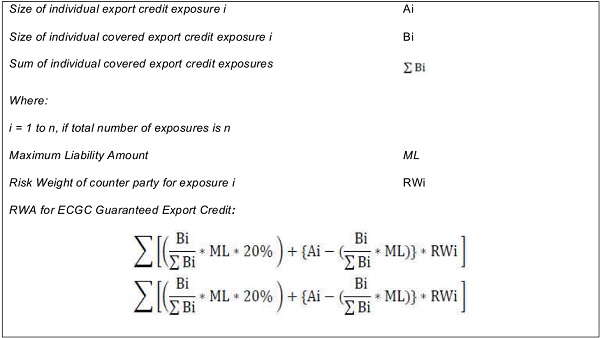
The Directions introduce a structured framework for calculating risk-weighted assets under Basel III norms. The ruling ensures improved consistency, transparency, and risk sensitivity in capital adequacy.
The issue addresses outdated provisioning methods and introduces a forward-looking ECL model. The key takeaway is improved risk recognition and stronger financial resilience in banks.
The RBI revised access criteria by shifting application processes to the PRAVAAH portal. The ruling emphasizes digital compliance, transparency, and streamlined access to the government securities platform.
The Tribunal held that cash disclosed in earlier returns can explain seized cash. It restricted addition to the unexplained portion. Key takeaway: prior disclosures carry strong evidentiary value.