The issue is whether interest on GST refunds should start from a fresh application after appeal. Courts have held that interest must be calculated from the original application date.
The issue is the replacement of Form 30C under the new tax regime. The update introduces Form 156 with revised procedures and compliance requirements. The key takeaway is that taxpayers must follow the new format for NOC applications from 2026 onwards.
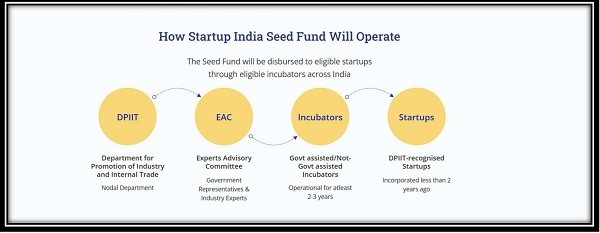
This guide explains who can apply for SISFS and the financial support offered. It highlights that early-stage startups receive funding for proof of concept and commercialization.
The issue is understanding complex NPS rules, tax benefits, and recent updates. The framework clarifies withdrawal flexibility, tax treatment, and eligibility.
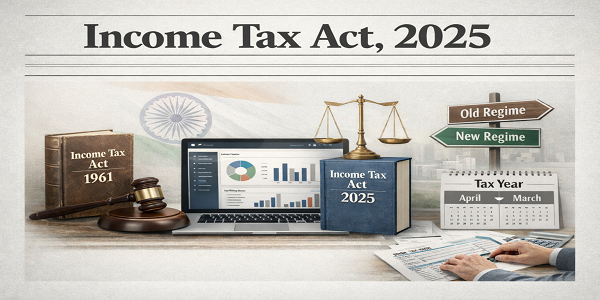
The issue was the complex and scattered TDS/TCS provisions under the old law. The new Act consolidates multiple sections into a simplified structure, making compliance easier and more transparent. The key takeaway is a streamlined, digital-first framework reducing confusion for taxpayers.
The issue is complexity and duplication in old tax forms. The new system simplifies compliance through consolidation and structured mapping.
The issue is denial of appeal due to NIL demand orders despite disputed liability. The key takeaway is that rectification under Section 161 enables appeal filing.
The case examined whether interest earned from co-operative banks qualifies for deduction under Section 80P(2)(d). The Tribunal held that co-operative banks are also co-operative societies, making such income eligible.
The issue was whether a notice issued before filing of return satisfies Section 143(2) requirements. The Tribunal held such notice is invalid, rendering the assessment void ab initio.
The Tribunal restored appeals dismissed for non-prosecution, citing pandemic-related disruption and sufficient cause. It directed fresh adjudication while imposing costs on the assessee.