
Type: Featured
10,042 articlesGoods and Services Tax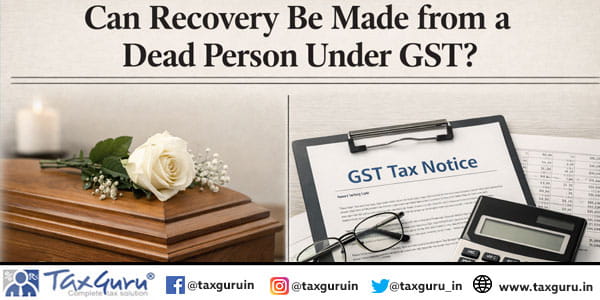
Goods and Services Tax
Can Recovery Be Made from a Dead Person Under GST?
Goods and Services Tax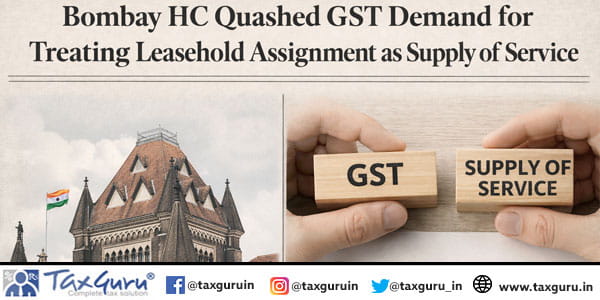
Goods and Services Tax
Bombay HC Quashed GST Demand for Treating Leasehold Assignment as Supply of Service
Corporate Law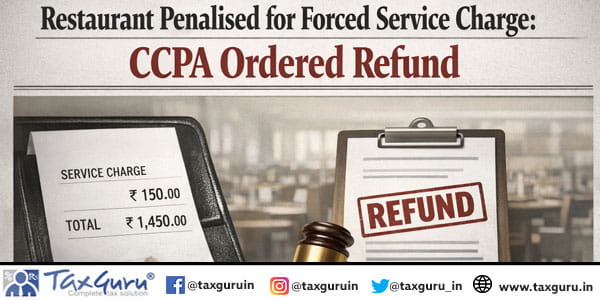
Corporate Law
Restaurant Penalised for Forced Service Charge: CCPA Ordered Refund
Corporate Law
Corporate Law
Hiding Pending Criminal Cases Bars Government Jobs: SC
CA, CS, CMA
CA, CS, CMA
ICAI Revises Industrial Training Empanelment Criteria from 1st January 2026
Income Tax
Income Tax
How are gains taxed when you buy Unlisted Shares and Sell after Listing?
Income Tax
Income Tax
Tax Planning for FY 2025–26: Rebate & LTCG under Section 112A (Old Regime)
Goods and Services Tax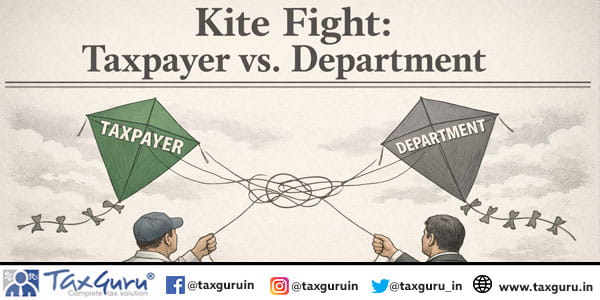
Goods and Services Tax
Kite fight between Taxpayer and Department
Income Tax
Income Tax
Section 68 Addition Fails Without Proof of Actual Penny Stock Trades: ITAT Mumbai
Income Tax
Income Tax
Opening Balances and Proven Loans Cannot Be Taxed on Suspicion: ITAT Mumbai
Goods and Services Tax
Goods and Services Tax
No Fraud, No Jurisdiction: Allahabad HC Draws a Clear Line under GST Section 74
Income Tax
Income Tax
Income Tax Refund Interest Eligible for Section 80-IA deduction: ITAT Hyderabad
Corporate Law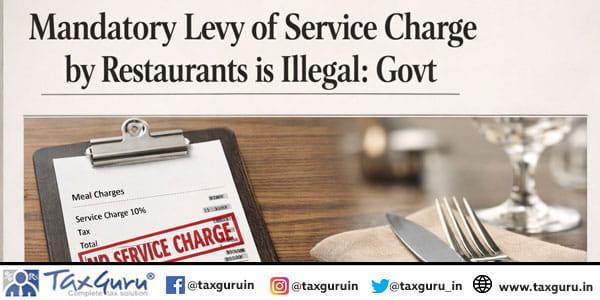
Corporate Law
Mandatory Levy of Service Charge by Restaurants is illegal: Govt
Goods and Services Tax
Goods and Services Tax

