
Type: Featured
10,040 articlesGoods and Services Tax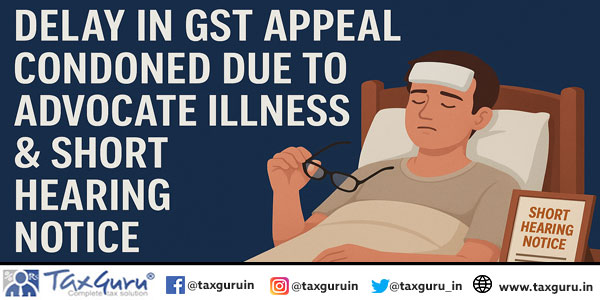
Goods and Services Tax
Delay in GST Appeal Condoned Due to Advocate Illness & Short Hearing Notice
Goods and Services Tax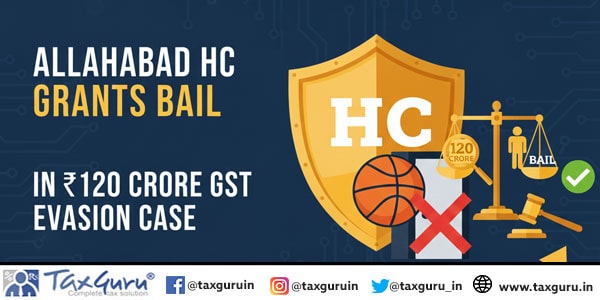
Goods and Services Tax
Allahabad HC Grants Bail in ₹120 Crore GST Evasion Case
Income Tax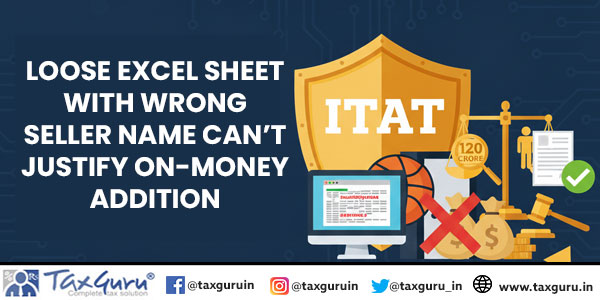
Income Tax
Loose Excel Sheet With Wrong Seller Name Can’t Justify On-Money Addition
Goods and Services Tax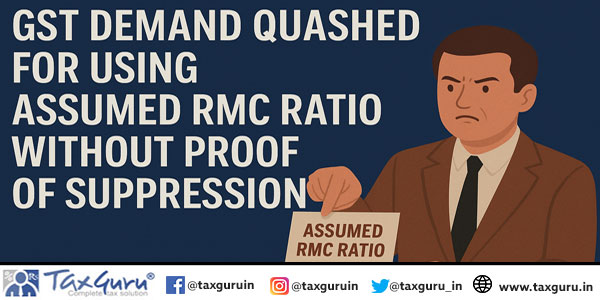
Goods and Services Tax
GST Demand Quashed for Using Assumed RMC Ratio Without Proof of Suppression
Goods and Services Tax
Goods and Services Tax
Allahabad HC quashes Penalty for E-Way Bill Expiry During Kanwar Yatra Traffic Ban
CA, CS, CMA
CA, CS, CMA
Analysis of Notifications and Circulars for Week ending 16th November 2025
Corporate Law
Corporate Law
ED Can Attach Property From Illegal Cricket Betting Activities As ‘Proceeds of Crime’: Delhi HC
Income Tax
Income Tax
Income Tax Proceedings Invalid as Revenue Filed No Claim During CIRP Bombay HC
Income Tax
Income Tax
Income Tax Assessment Quashed for Failure to Follow Mandatory CBDT Notice Format
Goods and Services Tax
Goods and Services Tax
GSTR-9 & GSTR-9C for FY 2024-25: Major Changes & Key Points
Income Tax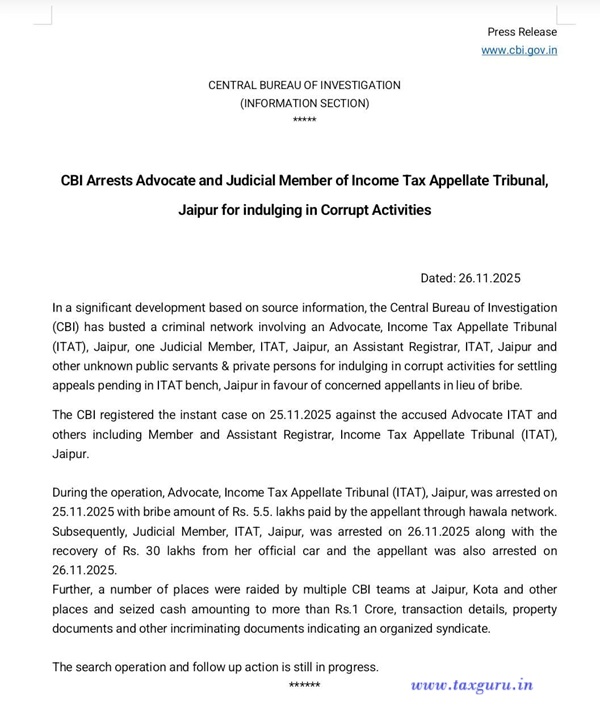
Income Tax
CBI Arrests ITAT Jaipur Member and Advocate for Corruption
Corporate Law
Corporate Law
SC Quashes Cheating Case: Partnership Split Is Purely Civil
Corporate Law
Corporate Law
Benami Demat & Large IPO Applications Have Little Criminal Overtone: Bombay HC
Goods and Services Tax
Goods and Services Tax

