
#Section 69A
Log in to FollowLatest Section 69A updates, provisions, case laws, compliance requirements, tax implications and expert analysis under Income-tax law on TaxGuru.
Income Tax
Income Tax
ITAT Quashes Reassessment for Absence of Section 143(2) Notice
Income Tax
Income Tax
Jaipur ITAT Deletes Section 69A Addition on Uncorroborated Third-Party Material
Income Tax
Income Tax
Recorded Group Cash-in-Hand Accepted; Section 69A Additions Based on Incomplete Tally Data Deleted: Delhi ITAT
Income Tax
Income Tax
ITAT Nagpur Upholds Section 263 Revision for Lack of Inquiry into Unrecorded Sales
Income Tax
Income Tax
ITAT Chennai Deletes Section 69A Addition on Recorded Business Transactions
Income Tax
Income Tax
ITAT Mumbai Deletes Deemed Rent on Unsold Flats Held as Stock-in-Trade
Income Tax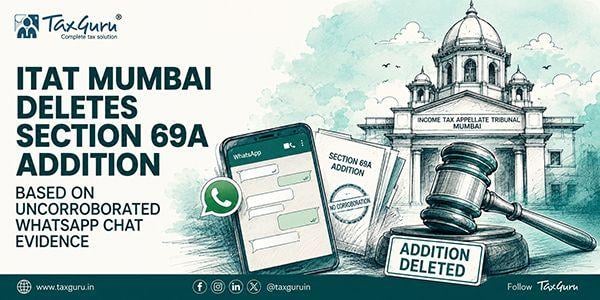
Income Tax
ITAT Mumbai Deletes Section 69A Addition Based on Uncorroborated WhatsApp Chat Evidence
Income Tax
Income Tax
Bangalore ITAT Restores Medical Store’s ₹13.50-Lakh Demonetisation Deposit Case to CIT(A)
Income Tax
Income Tax
₹2.15-Crore 69A Addition Restored; Ahmedabad ITAT Deletes 271AAC, Upholds ₹20,000 272A Penalty
Income Tax
Income Tax
Rule 46A: ₹1.01 Crore u/s 69A Addition Restored to AO for Fresh Examination
Income Tax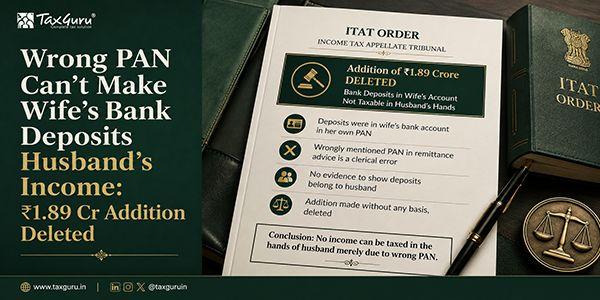
Income Tax
Wrong PAN Can’t Make Wife’s Bank Deposits Husband’s Income: ₹1.89 Cr Addition Deleted
Income Tax
Income Tax
Business Income Declared, Rs.4.50-Lakh Cash Deposits Unexplained u/s 69A
Income Tax
Income Tax
Chhattisgarh High Court Dismisses Income Tax Appeal Over 166-Day Delay
Income Tax
Income Tax
ITAT Remands Section 69A Addition for Cash Never Deposited in Bank
Explore the latest Section 69A updates on TaxGuru, including relevant Income-tax Act provisions, rules, notifications, circulars, judicial decisions and compliance guidance. The coverage highlights important tax positions, procedural requirements, assessments, deductions, penalties and litigation developments to help taxpayers and professionals understand the practical implications of changes in income-tax law.

