
#Section 69A
Log in to FollowLatest Section 69A updates, provisions, case laws, compliance requirements, tax implications and expert analysis under Income-tax law on TaxGuru.
Income Tax
Income Tax
ITAT Delhi Quashes Section 148 Notice Issued in 2022 for AY 2015-16
Income Tax
Income Tax
Hyderabad ITAT Deletes 69A Addition on Wedding Cash & Rejects 60% 115BBE Rate for AY 2017-18
Income Tax
Income Tax
ITAT Deletes ₹20.39-Lakh Double Additions u/s 69A & 69C
Income Tax
Income Tax
ITAT Allows Credit for Mother-in-Law’s Gold Sale Against Cash Deposit
Income Tax
Income Tax
₹1.09-Crore Cash Addition u/s 69A Remanded; Penalty u/s 271AAC Falls
Income Tax
Income Tax
5% Commission Formula Insufficient: Political Donation Allowed u/s 80GGC, Section 69A Addition Deleted
Income Tax
Income Tax
ITAT Remands Reassessment, Donation & Cash Deposit Issues for Speaking Order U/s 250(6)
Income Tax
Income Tax
ITAT Deletes Section 69A Addition, Allows Section 10(38) LTCG Despite Penny-Stock Suspicion
Income Tax
Income Tax
Kirana Cash Deposits During Demonetisation Not Unexplained u/ss 68 & 69A: ITAT Chandigarh
Income Tax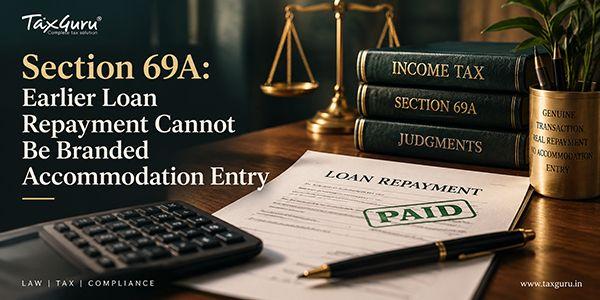
Income Tax
Section 69A: Earlier Loan Repayment Cannot Be Branded Accommodation Entry
Income Tax
Income Tax
ITAT Lucknow Deletes Rs.3.70 Lakh Section 69A Addition on Demonetisation Cash Deposits
Income Tax
Income Tax
CIT(A) Cannot Echo AO: ITAT Restores Section 69A, Expenses & LTCG Issues for Fresh Examination
Income Tax
Income Tax
ITAT Rejects Mechanical 5% Profit Estimate on Stamp-Duty Collections
Income Tax
Income Tax
32-Day Bank Loan Cannot Be Branded Accommodation Entry: ITAT Delhi
Explore the latest Section 69A updates on TaxGuru, including relevant Income-tax Act provisions, rules, notifications, circulars, judicial decisions and compliance guidance. The coverage highlights important tax positions, procedural requirements, assessments, deductions, penalties and litigation developments to help taxpayers and professionals understand the practical implications of changes in income-tax law.

