
#Section 68
Log in to FollowLatest Section 68 updates, provisions, case laws, compliance requirements, tax implications and expert analysis under Income-tax law on TaxGuru.
Income Tax
Income Tax
ITAT Rajkot Deletes Section 68 Addition on Agricultural Income Without Books
Income Tax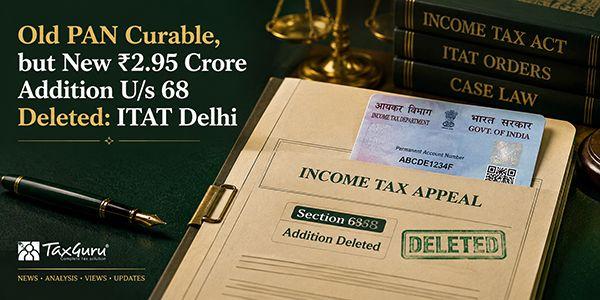
Income Tax
Old PAN Curable, but New ₹2.95 Crore Addition U/s 68 Deleted: ITAT Delhi
Income Tax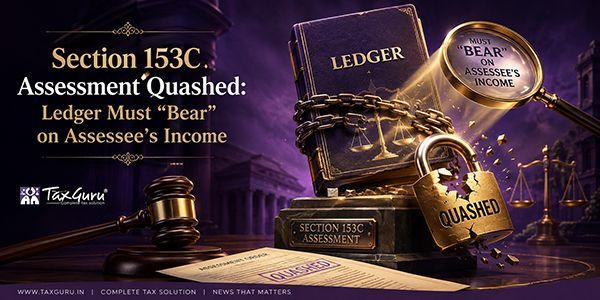
Income Tax
Section 153C Assessment Quashed: Ledger Must “Bear” on Assessee’s Income
Income Tax
Income Tax
AO Cannot Depreciate an Asset & Doubt Its Existence: Partners’ Capital Addition U/s 68 Deleted
Income Tax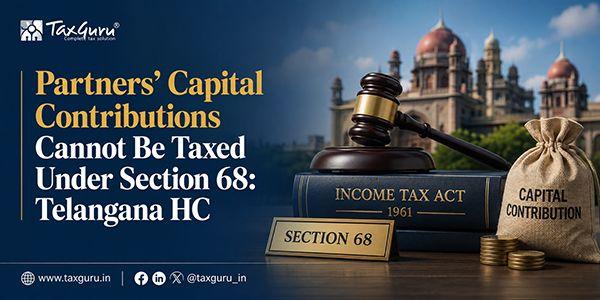
Income Tax
Partners’ Capital Contributions Cannot Be Taxed Under Section 68: Telangana HC
Income Tax
Income Tax
AO Forgot Original Scrutiny: ₹3.25 Cr Addition u/s 68 Quashed
Income Tax
Income Tax
GKN Breach Quashes ₹1.67-Crore Reassessment Addition u/s 68: Bangalore ITAT
Income Tax
Income Tax
Bangalore ITAT Remands TDS Disallowance, ₹10.70-Crore Credits & U/s 271AAC Penalty
Income Tax
Income Tax
Bangalore ITAT Orders Fresh Verification of ₹1 Crore Customer Advance U/s 68
Income Tax
Income Tax
Rajasthan HC Rejects Section 68 Share Capital Addition Based Only on Suspicion & Doubt
Income Tax
Income Tax
ITAT Surat Deletes Section 68 Addition on Genuine LTCG from Penny Stock Sale
Income Tax
Income Tax
ITAT Mumbai Allows Section 10(38) Exemption on Lifeline Drugs Share Gains Despite Penny Stock Allegations
Income Tax
Income Tax
ITAT Chandigarh Deletes Section 68 Addition on Demonetization Cash Sales for Lack of Adverse Evidence
Income Tax
Income Tax
ITAT Chandigarh Deletes Section 68 Addition on explained Demonetization Cash Deposits
Explore the latest Section 68 updates on TaxGuru, including relevant Income-tax Act provisions, rules, notifications, circulars, judicial decisions and compliance guidance. The coverage highlights important tax positions, procedural requirements, assessments, deductions, penalties and litigation developments to help taxpayers and professionals understand the practical implications of changes in income-tax law.

