
Courts: NCLT
Read latest NCLT judgments and orders on IBC, insolvency, liquidation, company law, mergers, oppression, mismanagement and corporate disputes.
Company Law
Company Law
NCLT Grants Section 244 Waiver to 4.65% Minority Shareholder Alleging Oppression
Corporate Law
Corporate Law
Minor Discrepancies in Default Date and Dues Cannot Defeat Section 7 Petition: NCLT
Corporate Law
Corporate Law
Earlier Withdrawal After OTS Does Not Bar Fresh Personal Guarantor Insolvency Plea: NCLT
Corporate Law
Corporate Law
NCLT Rejects Clubbing Group Company Dues to Meet ₹1 Crore IBC Threshold
Corporate Law
Corporate Law
NCLT Mumbai Approves PPIRP Plan With Amalgamation and Capital Restructuring
Corporate Law
Corporate Law
NCLT Admits Insolvency Plea Despite NeSL Form D Absence as Debt & Default Established
Corporate Law
Corporate Law
BSE Institute Dissolved After Liquidator Satisfies RoC Objections: NCLT Mumbai
Corporate Law
Corporate Law
NCLT Mumbai Admits Section 10 CIRP Petition Over Persistent Financial Defaults
Company Law
Company Law
NCLT Ahmedabad Sanctions Triumph Offshore-Swan Defence Amalgamation Scheme
Corporate Law
Corporate Law
NCLT Ahmedabad Sanctions Vitanosh-Lactose India Amalgamation
Corporate Law
Corporate Law
NCLT Approves ₹288.37-Crore Resolution Plan for Jaipur Holiday Inn Operator
Company Law
Company Law
NCLT Chennai Allows Sun TV Merger Without Separate Second Motion for Wholly Owned Subsidiary
Company Law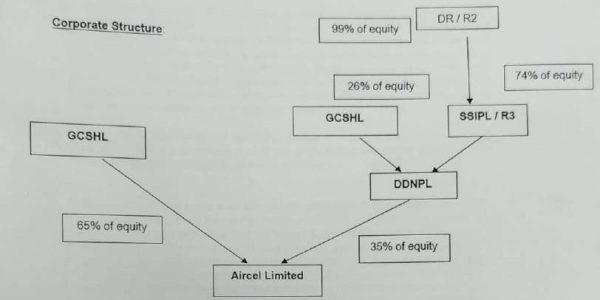
Company Law
NCLT Dismisses SFIO Disgorgement Plea Over ₹100.50 Crore Aircel Call Option Payment
Company Law
Company Law
NCLT Holds 25.42% Shareholder Eligible to Maintain Oppression-Mismanagement Petition
NCLT brings together judgments and orders of the National Company Law Tribunal published on TaxGuru. Decisions may involve corporate insolvency resolution, liquidation, applications under the Insolvency and Bankruptcy Code, mergers and amalgamations, oppression and mismanagement, restoration of companies and other proceedings under company and insolvency laws. Companies, creditors, insolvency professionals, Chartered Accountants, Company Secretaries and advocates can use this archive to research NCLT decisions and follow developments affecting corporate insolvency and company-law proceedings.

