
Courts: NCLT
Read latest NCLT judgments and orders on IBC, insolvency, liquidation, company law, mergers, oppression, mismanagement and corporate disputes.
Company Law
Company Law
NCLT Stays Director’s Removal Pending Share Exit Under Settlement Agreement
Corporate Law
Corporate Law
On-Demand Guarantee Default Arises on First Invocation, Petition Within Limitation: NCLT Mumbai
Company Law
Company Law
NCLT Ahmedabad Waives Shareholder Meetings in Renewable Energy Merger Scheme
Company Law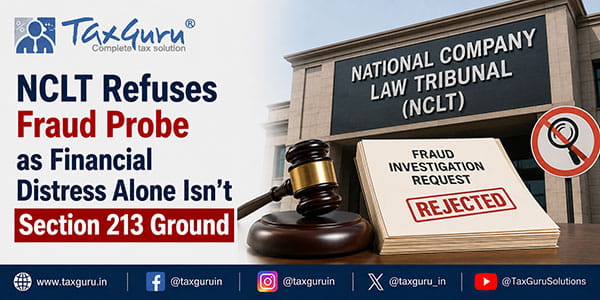
Company Law
NCLT Refuses Fraud Probe as Financial Distress Alone Isn’t Section 213 Ground
Company Law
Company Law
NCLT Allahabad Sanctions India Glycols’ Demerger of Biopharma and Spirits Businesses
Company Law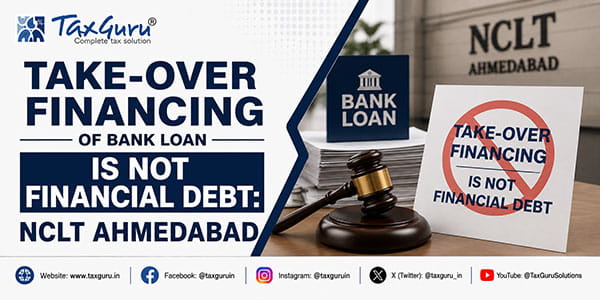
Company Law
Take-Over Financing of Bank Loan Is Not Financial Debt: NCLT Ahmedabad
Corporate Law
Corporate Law
NCLT Directs Restoration of ₹1.76 Crore in Preferential & Undervalued Transactions
Corporate Law
Corporate Law
Pending Avoidance Proceedings Cannot Bar Corporate Debtor’s Liquidation: NCLT Mumbai
Company Law
Company Law
Exclusion of Minority Shareholders is Oppression, NCLT Cuttack Restores Directors
Corporate Law
Corporate Law
Admission of Claim in Principal Borrower’s CIRP Does Not Bar Section 7 Against Guarantor: NCLT Delhi
Company Law
Company Law
Second Guarantee Invocation Cannot Revive Time-Barred Section 7 Claim: NCLT Mumbai
Corporate Law
Corporate Law
Information Utility Record Not Exclusive Proof of Default Under Section 7: NCLT Delhi
Company Law
Company Law
Agreement to Sale Can Constitute Financial Debt if Intended as Loan: NCLT Mumbai
Company Law
Company Law
NCLT Ahmedabad Directs ROC Inquiry Into Disputed Share Transfers Under Section 56
NCLT brings together judgments and orders of the National Company Law Tribunal published on TaxGuru. Decisions may involve corporate insolvency resolution, liquidation, applications under the Insolvency and Bankruptcy Code, mergers and amalgamations, oppression and mismanagement, restoration of companies and other proceedings under company and insolvency laws. Companies, creditors, insolvency professionals, Chartered Accountants, Company Secretaries and advocates can use this archive to research NCLT decisions and follow developments affecting corporate insolvency and company-law proceedings.

