
Courts: Madras High Court
Find latest Madras High Court judgments, orders and case laws on Income Tax, GST, Customs, Company Law, IBC and other tax and commercial matters.
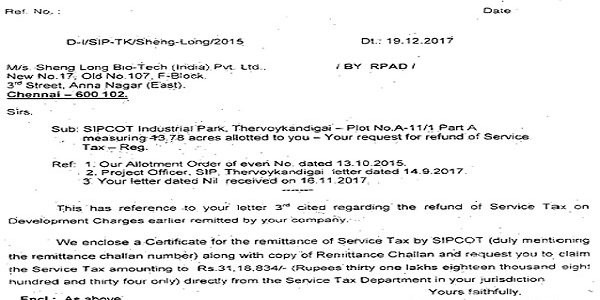
Madras HC: Refund Limitation Runs From SIPCOT Certificate, Not Finance Act Assent

No CENVAT Credit on CVD Paid Through DEPB Scrips in 2003-04; Revenue Neutrality Fails: Madras HC

Madras HC: Waiver of Penalty Does Not Bar Extended Limitation for Service Tax Demand

Madras HC: No ITC on Purchase of DEPB Licences Under TNVAT Act

Madras HC: Mutuality Bars Sales Tax on Goods Supplied to Society Members
Madras HC Condones Delay in Form 10B Filing Despite CBDT Time Limit
HC Sets Aside 200% Section 270A Penalty for Misreporting Due to Defective SCN
Madras HC Sets Aside Tax & Interest on Unutilised ITC Reflected in GSTR-2A/2B
Madras HC Upholds GST Late Fee for Delayed Return Filing
Madras HC Allows Delayed Form 10-IC Filing Under Section 115BAA

Madras HC Allows Delayed Form 10-IC Filing for Section 115BAA Benefit
Madras HC Quashes Section 153C Notices for Search Initiated After 1 April 2021
Section 73 Doesn’t Mandate 3-Month Gap, Madras HC Quashes Contradictory GST Orders
Demerged Company Must File Revised ITR Based on Revised Audited Accounts: Madras HC
Madras High Court judgments and orders constitute an extensive source of jurisprudence concerning taxation, corporate and commercial disputes. This TaxGuru page brings together Madras High Court case laws on Income Tax, GST, Customs, Company Law, insolvency, input tax credit, refunds, reassessment, tax demands, penalties and other legal matters. Taxpayers, companies, Chartered Accountants, advocates and tax professionals can use this collection to research judicial precedents and follow developments affecting tax and business law. TaxGuru publishes recent and significant earlier Madras High Court decisions with summaries and analysis highlighting important issues and legal principles. The page provides a convenient resource for researching taxation, corporate, commercial and regulatory litigation before the Madras High Court.

