
Courts: ITAT Chandigarh
Find latest ITAT Chandigarh judgments, orders and case laws on income tax covering assessments, additions, deductions, exemptions, capital gains, reassessment and penalties.
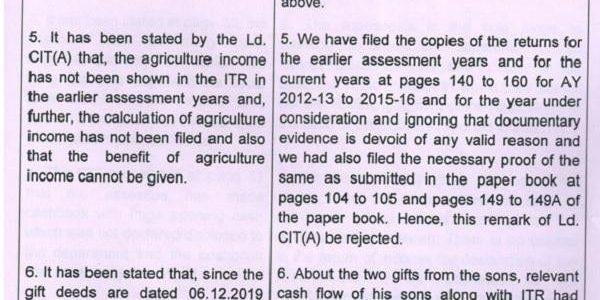
ITAT Chandigarh Deletes Section 68 Addition on explained Demonetization Cash Deposits

ITAT Chandigarh Deletes Section 68 Addition on Demonetization Cash Sales
Cash Deposits From Recorded Sales Cannot Be Added Without Rejecting Books: Chandigarh ITAT
CIT(E) Must Examine 5% Religious Expenditure Threshold Before Denying Section 80G: ITAT Chandigarh
Plant 500 Trees or Face ₹11.22 Crore Addition: Chandigarh ITAT
Chandigarh ITAT: TOLA Cannot Cure Wrong Authority Approval or Section 151 Non-Compliance
Member-Only RWA Activities Not Charitable Under Section 2(15): ITAT Chandigarh
ITAT Chandigarh Upholds Section 12AB Rejection for Paid Student Transport Services
ITAT Remands ₹2.21 Crore Section 68 Addition on Cable TV Demonetisation Cash Deposits
Chandigarh ITAT: Trust Not Religious Without Activity Review; 80G Rejection Requires 5% Test
ITAT Chandigarh: PCIT Cannot Invoke Section 263 Merely Over Cryptic Assessment Order
ITAT Chandigarh Remanded Cash Deposit Additions Over Multiple PAN Issue
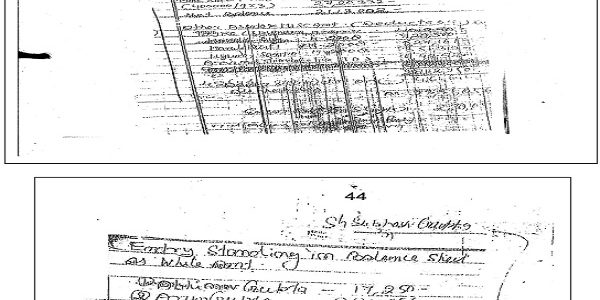
ITAT Chandigarh Deletes ₹13 Crore Addition & Section 271D Penalty for Lack of Evidence
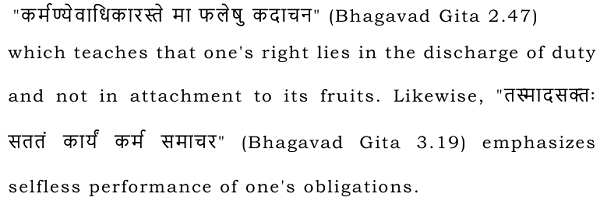
Bhagavad Gita Teachings Not Religious Propagation, 80G Approval Allowed: ITAT Chandigarh
ITAT Chandigarh judgments and orders cover appeals involving a broad range of issues under the Income-tax Act. This page compiles Tribunal decisions on assessments, additions, deductions, exemptions, capital gains, business income, unexplained income, reassessment, TDS, penalties, limitation and procedural matters. Taxpayers, Chartered Accountants, advocates, businesses and consultants can use the ITAT Chandigarh category to locate relevant precedents and research income-tax disputes. TaxGuru updates this collection with Tribunal decisions published on the website, providing convenient access to recent and important earlier ITAT Chandigarh case laws.

