
Courts: ITAT Ahmedabad
Find latest ITAT Ahmedabad judgments, orders and case laws on income tax covering assessments, additions, deductions, exemptions, TDS, reassessment and penalties.

Ahmedabad ITAT Quashes Section 263 Revision in Seven Years
ITAT Ahmedabad Deletes Section 40(a)(i) Disallowance on Foreign Commission
ITAT Ahmedabad Allows Foreign Tax Credit Despite Delayed Form 67 Filing
CIT(A)’s BSNL VRS Rectification Fails: Ahmedabad ITAT Allows Section 10(10B) Exemption
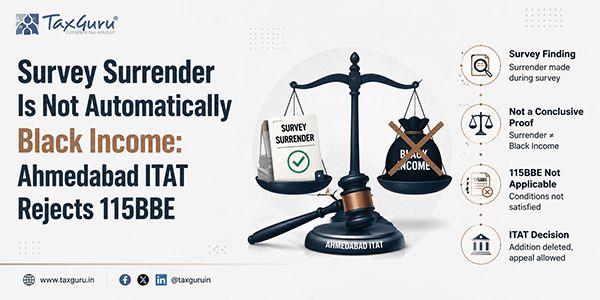
Survey Surrender Is Not Automatically Black Income: Ahmedabad ITAT Rejects 115BBE
Bogus Purchases Not 69C Income: Ahmedabad ITAT Quashes Section 263 Revision
Ahmedabad ITAT Allows ₹68.33 Lakh Section 80P Deduction on Co-op Bank Interest
BSNL VRS Compensation Exempt Under Section 10(10B): Ahmedabad ITAT
Expenses After Business Setup but Before Operations Are Deductible: Ahmedabad ITAT
SBI Not Assessee-in-Default for Following HC No-TDS Direction on LTC
No Section 201 TDS Default When SBI Followed Binding HC Order: ITAT Ahmedabad
ITAT Ahmedabad Deletes TDS Demand on LTC During Madras HC Stay
Section 271D Penalty Deleted as Co-Sharer Got Relief in Same Transaction: ITAT Ahmedabad
Penalty Not Leviable Where Section 148 Return Accepted Without Addition: ITAT Ahmedabad
ITAT Ahmedabad judgments and orders provide an extensive source of appellate case law under the Income-tax Act. This page compiles ITAT Ahmedabad decisions dealing with assessments, additions, deductions, exemptions, business income, capital gains, unexplained income, reassessment, TDS, transfer pricing, penalties and procedural issues. Taxpayers, businesses, Chartered Accountants, advocates and tax professionals can use this dedicated page to research Tribunal precedents relevant to income-tax controversies. TaxGuru brings together recent and important earlier ITAT Ahmedabad case laws, making it easier to follow developments in direct tax jurisprudence and identify decisions relevant to assessments and appeals.

