
Courts: ITAT Delhi
Find latest ITAT Delhi judgments, orders and case laws on income tax covering assessments, transfer pricing, international taxation, deductions, TDS, reassessment and penalties.

U/s 69A Addition Partly Sustained – Estimated Relief Granted Considering Household Savings
U/s 153C Assessment Quashed – Defective Satisfaction Note & Invalid Jurisdiction
Revision U/s 263 Upheld – Lack of Enquiry on Alleged Cash Payment in Property Purchase
Demonetisation Cash Deposits Deleted – Source Explained from Books & Sales
Section 69A Addition Deleted & Reopening Quashed – No Ownership of Money & Borrowed Satisfaction
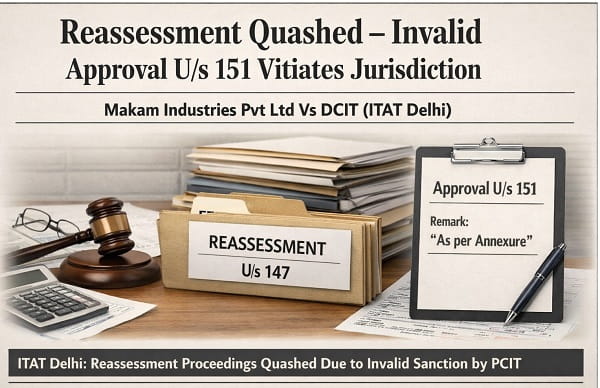
Reassessment Quashed – Invalid Approval U/s 151 Vitiates Jurisdiction
Section 153C Assessment Quashed – Mechanical & Combined Approval U/s 153D Held Invalid
Bogus Purchase, Loan Creditor Additions Deleted – CIT(A) Relief Upheld
Charitable Trust Taxed at Slab Rates – MMR Application Held Incorrect
Section 153A Assessment Quashed – Mechanical Approval U/s 153D Held Invalid
Addition U/s 69A Deleted – Third Party Statement Without Corroboration Insufficient
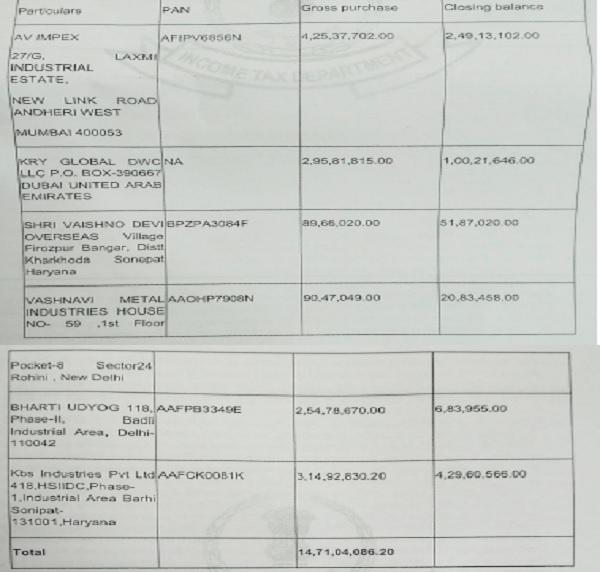
Bogus Purchase Addition Restricted to 10% – CIT(A) Relief Upheld
Reassessment Quashed – Notice U/s 148 Issued Before Approval & Mechanical Sanction U/s 151
Reopening Upheld but Addition Restored – Non-Speaking Order on Cost of Improvement
ITAT Delhi judgments and orders constitute a substantial body of appellate case law under the Income-tax Act. This page compiles ITAT Delhi decisions concerning assessments, additions, deductions, exemptions, business income, capital gains, transfer pricing, international taxation, TDS, reassessment, unexplained income, penalties, limitation and procedural disputes. Companies, individuals, Chartered Accountants, advocates and tax professionals can use this collection to research Tribunal precedents relevant to income-tax matters. TaxGuru brings together recent and significant earlier ITAT Delhi judgments and orders, providing a convenient resource for following developments in direct tax jurisprudence and researching recurring issues arising in assessments and appeals.

