
Courts: ITAT Delhi
Find latest ITAT Delhi judgments, orders and case laws on income tax covering assessments, transfer pricing, international taxation, deductions, TDS, reassessment and penalties.

Share Premium Addition Quashed; DCF Valuation Cannot Be Replaced Without Specific Errors
ITAT Delhi Quashed Assessment for non-issuance of Section 153C Notice
ITAT Delhi Quashes Reassessment for Non-Compliance with Section 148/148A
ITAT Delhi Remands DDA’s 2(15) Exemption Dispute for Fresh Examination
Revenue Cannot Question Assessee’s Cash Decisions; ₹38 Lakh Additions Deleted
ITAT Allows Additional Evidence, Remands Trust Registration Case to CIT(E) for Final Hearing
ITAT Sets Aside Post-April 2021 Reassessment Notice as Invalid Under TOLA
Corpus contributions cannot be grounds to deny section 12AA registration: ITAT Delhi
Locker Cash Treated as Unexplained Income Despite Business Claims
Income Tax Appeal Remanded Due to Lack of Reasoned Order by CIT(A)
ITAT Delhi quashes reassessment Due to Unsigned Section 151 Approval
Bank Interest Held Eligible for 80P Relief Due to Absence of Jurisdictional HC Ruling
ITAT Delhi deletes Protective Additions Due to Absence of Substantive Assessment
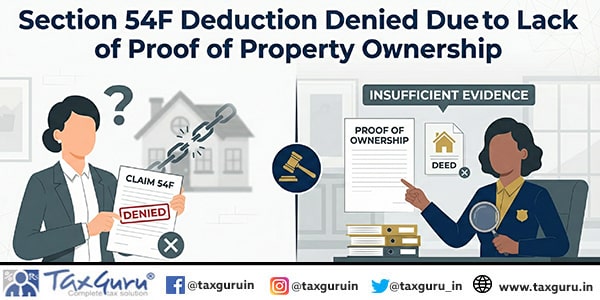
Section 54F Deduction Denied Due to Lack of Proof of Property Ownership
ITAT Delhi judgments and orders constitute a substantial body of appellate case law under the Income-tax Act. This page compiles ITAT Delhi decisions concerning assessments, additions, deductions, exemptions, business income, capital gains, transfer pricing, international taxation, TDS, reassessment, unexplained income, penalties, limitation and procedural disputes. Companies, individuals, Chartered Accountants, advocates and tax professionals can use this collection to research Tribunal precedents relevant to income-tax matters. TaxGuru brings together recent and significant earlier ITAT Delhi judgments and orders, providing a convenient resource for following developments in direct tax jurisprudence and researching recurring issues arising in assessments and appeals.

