
Courts: Delhi High Court
Find latest Delhi High Court judgments, orders and case laws on Income Tax, GST, Customs, Company Law, IBC, FEMA and other tax and commercial matters.

Interest on Delayed Duty Drawback Payable from One Month After Let Export Order: Delhi HC

GST Demand Based on Unrevised Return Despite Corrected Return Requires Examination: Delhi HC
GST Appellate Remedy Comprehensive to Examine Reasonable Period Under Section 76: Delhi HC
Earlier Reassessment Litigation Cannot Extend Section 149 Limitation: Delhi HC
Delhi HC Dismisses Revenue Appeal as Search Assessment Was Beyond Six-Year Limit
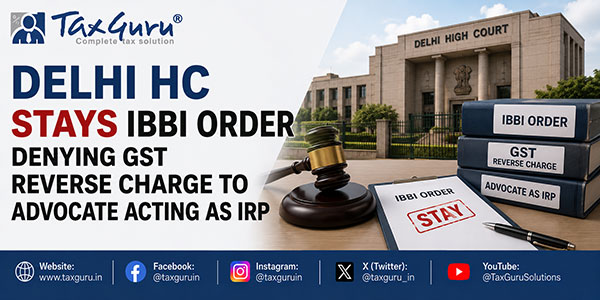
Delhi HC Stays IBBI Order Denying GST Reverse Charge to Advocate Acting as IRP
Delhi HC Sets Aside Retrospective GST Cancellation Without SCN Proposal
Delhi HC Upholds ₹19.25 Lakh Addition as Sale Deed Cancellation Suit Was an Afterthought
Delhi HC Permits GSTR-3B, 2A and GSTR-9 Amendments After Shipping Bill Corrections
Delhi HC Dismissed Section 40(a)(i) Appeals After Section 201 Proceedings Closed
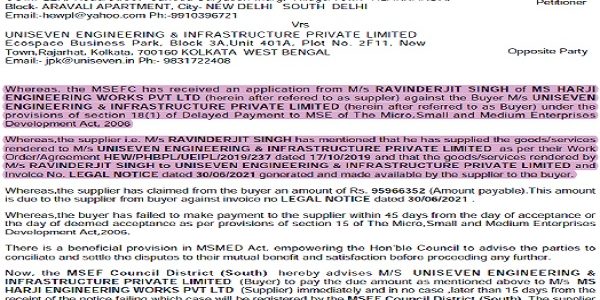
Delhi HC Sets Aside MSEFC Order Allowing Independent Buyer Claim Under MSMED Act
Delhi HC: Audit Fee to Be Paid by Union for Audit Ordered Under Section 142(2A)
Delhi HC: Section 147A Amendment Confirms Concurrent FAO- JAO Jurisdiction
Delhi HC Grants Fresh GST Adjudication Opportunity on Merits Subject to ₹20,000 Costs
Delhi High Court judgments and orders constitute a substantial source of jurisprudence on taxation, corporate, commercial and regulatory law. This TaxGuru page compiles Delhi High Court case laws concerning Income Tax, GST, Customs, Company Law, insolvency, FEMA, international taxation, reassessment, TDS, penalties and other business and legal disputes. Companies, taxpayers, Chartered Accountants, advocates and tax professionals can use this collection to research judicial precedents and monitor important legal developments. TaxGuru brings together recent and significant earlier Delhi High Court decisions, supported by case summaries and analysis explaining the principal issues and findings. The page provides a convenient research resource for readers following tax, corporate, commercial and regulatory litigation before the Delhi High Court.

