
Courts: All ITAT
Read latest ITAT judgments and orders on Income Tax, including assessments, deductions, TDS, capital gains, transfer pricing, penalties and other tax disputes.
₹165-Crore Section 80P Deduction Cannot Be Denied on Unidentified Members: ITAT Jodhpur)

5% Commission Formula Insufficient: Political Donation Allowed u/s 80GGC, Section 69A Addition Deleted
ITAT Remands Reassessment, Donation & Cash Deposit Issues for Speaking Order U/s 250(6)

Excess TDS Refund Cannot Be Denied in Section 148 Return: ITAT Delhi
ITAT Deletes Section 69A Addition, Allows Section 10(38) LTCG Despite Penny-Stock Suspicion
₹40 Lakh Bank Loan Repaid Same Year: Section 68 Addition Deleted
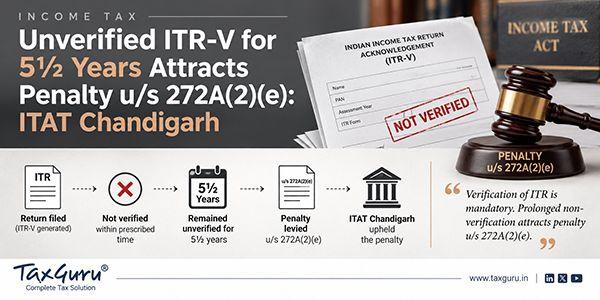
Unverified ITR-V for 5½ Years Attracts Penalty u/s 272A(2)(e): ITAT Chandigarh

Kirana Cash Deposits During Demonetisation Not Unexplained u/ss 68 & 69A: ITAT Chandigarh
Seven Clear Days Mandatory-AO’s Five-Day Notice Invalid u/s 148A(b): ITAT Raipur

Revenue’s 15-Ground Appeal Fails as ITAT Upholds Consistency on Tax and Transfer Pricing Issues
Withdrawn Donation Claim Cannot Justify 200% Penalty u/s 270A: ITAT Ahmedabad
Reopening on “Cash Loan”, Addition for “Bogus LTCG” – Ahmedabad ITAT Quashes Reassessment U/s 147
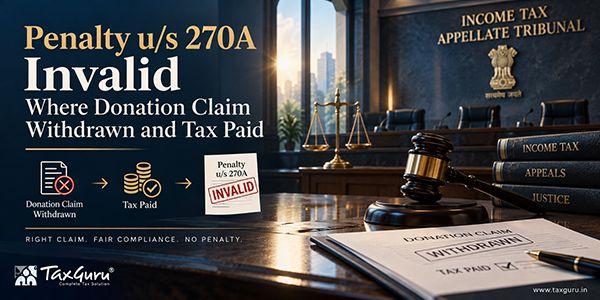
Penalty u/s 270A Invalid Where Donation Claim Withdrawn and Tax Paid
Same Product Does Not Bar 80-IA/80-IB Deduction for New Unit: Delhi ITAT
All ITAT brings together Income Tax Appellate Tribunal judgments and orders from ITAT benches across India. The archive covers income-tax disputes involving assessments and reassessments, business income, deductions, exemptions, capital gains, TDS, transfer pricing, international taxation, penalties, unexplained income, search assessments and other provisions of the Income-tax Act. Chartered Accountants, advocates, tax professionals, businesses and taxpayers can use this consolidated TaxGuru category to research ITAT precedents across different benches and follow developments in income-tax jurisprudence. Individual ITAT bench categories are also available for location-specific decisions.

