
Courts: All ITAT
Read latest ITAT judgments and orders on Income Tax, including assessments, deductions, TDS, capital gains, transfer pricing, penalties and other tax disputes.

ITAT Admits Commercial-Use & Repayment Evidence in s.2(22)(e) Deemed Dividend Dispute

No TDS Under Section 194I on EDC Paid to HUDA: ITAT Delhi
ITAT: Two Days to Defend 48 Service Providers Not Fair Hearing; Addition Restored
Section 263: PCIT Cannot Substitute Opinion for AO’s Enquiry & Plausible View
Seven Clear Days Mandatory for Section 148A(b) Notice: ITAT Cuttack
Delhi ITAT Deletes ₹11.12 Crore On-Money Addition Based on WhatsApp Chats
ITAT Remands ₹99.38 Lakh Appeal as Section 249(4)(b) Applicability Was Not Examined

Low Returned Income Cannot Sink a Loan Without Examining the Fund Trail: ITAT Mumbai
Assured-Margin Model: Nil Valuation of Real Services Leads to Double TP Adjustment
Low Income Doesn’t Mean Low Creditworthiness: AO Must Investigate U/s 68
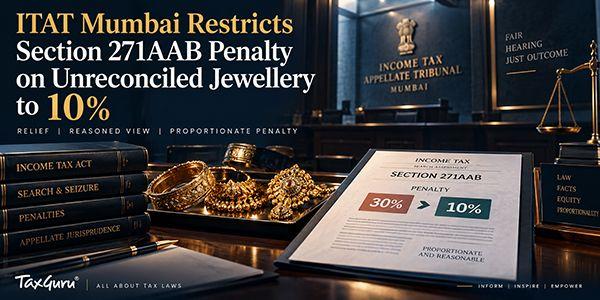
ITAT Mumbai Restricts Section 271AAB Penalty on Unreconciled Jewellery to 10%

ITAT Ahmedabad Allows Section 87A Rebate on STCG under Section 111A for AY 2025-26
ITAT Deletes Section 68 Addition on Trade Creditors, Rejects Profit Estimation
Profit Below ₹50 Lakh Bars Reopening Beyond 3 Years: ITAT Delhi
All ITAT brings together Income Tax Appellate Tribunal judgments and orders from ITAT benches across India. The archive covers income-tax disputes involving assessments and reassessments, business income, deductions, exemptions, capital gains, TDS, transfer pricing, international taxation, penalties, unexplained income, search assessments and other provisions of the Income-tax Act. Chartered Accountants, advocates, tax professionals, businesses and taxpayers can use this consolidated TaxGuru category to research ITAT precedents across different benches and follow developments in income-tax jurisprudence. Individual ITAT bench categories are also available for location-specific decisions.

