
Courts: All ITAT
Read latest ITAT judgments and orders on Income Tax, including assessments, deductions, TDS, capital gains, transfer pricing, penalties and other tax disputes.

Section 68 Addition Deleted After Investor Capacity and Genuineness Proved: Mumbai ITAT

ITAT Mumbai Deletes Partner Remuneration Disallowance Made Through Section 154 Rectification
IBC Resolution Plan Extinguishes Unclaimed Tax Reassessment, ITAT Mumbai Holds
No Irrevocability Clause Cannot Alone Defeat Section 12AB Renewal, Says ITAT Mumbai
Actuarial Pension Provision Allowed as Accrued Liability; SBI Wins Key Issues ITAT Mumbai
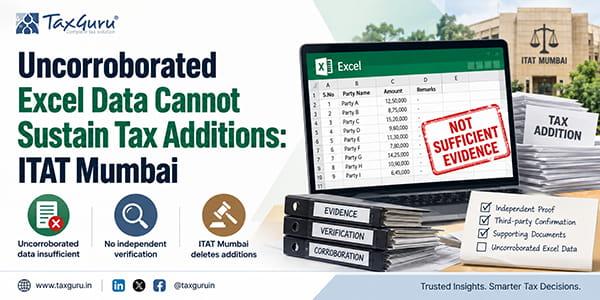
Uncorroborated Excel Data Cannot Sustain Tax Additions: ITAT Mumbai
ITAT Mumbai Deletes Section 69A Addition on Cash Handled by Payment Intermediary

ITAT Delhi Directs Consistent Relief on ₹50.20-Lakh Transfer Pricing Adjustment
ITAT Delhi Deletes Section 56(2)(viib) Share Premium Addition Based on DCF Valuation

Form 10-IC Continues for Subsequent Years Under Section 115BAA: ITAT Indore

ITAT Amritsar Deletes ₹3.97 Crore Addition Based on Husband’s Document

Tenancy Rights Transfer Taxable, Mumbai ITAT Remands FMV Determination to AO
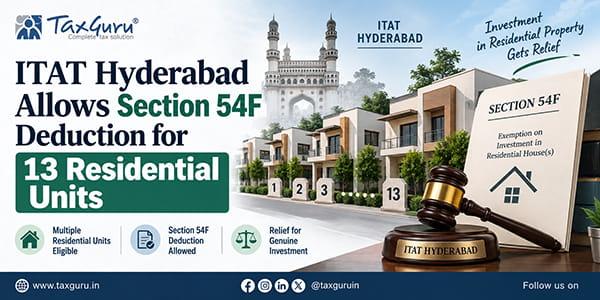
ITAT Hyderabad Allows Section 54F Deduction for 13 Residential Units

ITAT Pune Holds Vaki Land a Capital Asset, Denies Section 54B Deduction
All ITAT brings together Income Tax Appellate Tribunal judgments and orders from ITAT benches across India. The archive covers income-tax disputes involving assessments and reassessments, business income, deductions, exemptions, capital gains, TDS, transfer pricing, international taxation, penalties, unexplained income, search assessments and other provisions of the Income-tax Act. Chartered Accountants, advocates, tax professionals, businesses and taxpayers can use this consolidated TaxGuru category to research ITAT precedents across different benches and follow developments in income-tax jurisprudence. Individual ITAT bench categories are also available for location-specific decisions.

