
Courts: All ITAT
Read latest ITAT judgments and orders on Income Tax, including assessments, deductions, TDS, capital gains, transfer pricing, penalties and other tax disputes.

Senior Citizen’s Explained Cash Deposits Cannot Be Treated Unexplained: ITAT Ahmedabad

AO to Reconsider Alleged Double Taxation of Keyman Proceeds: ITAT Kolkata
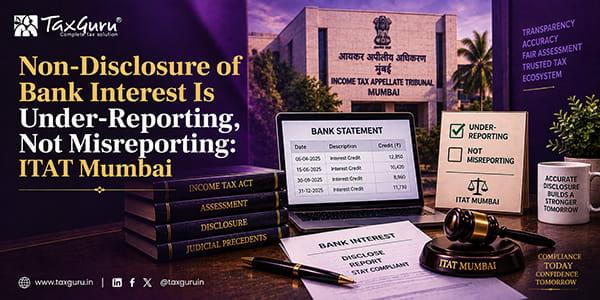
Non-Disclosure of Bank Interest Is Under-Reporting, Not Misreporting: ITAT Mumbai
Delay in Form 10B Filing Cannot Deny Section 11 Exemption to Trust: ITAT Panaji
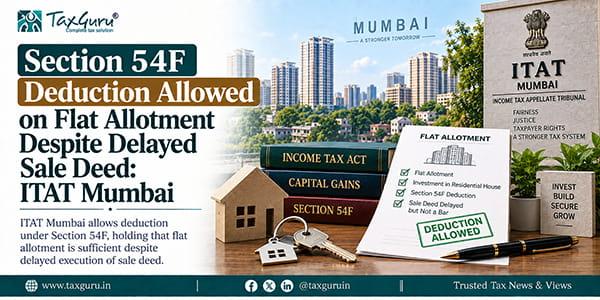
Section 54F Deduction Allowed on Flat Allotment Despite Delayed Sale Deed: ITAT Mumbai

Penalty Deleted as Section 271(1)(c) Notice Failed to Specify Charge: ITAT Delhi

Form 26A Verification Ordered for TDS Default on HUDCO Interest: ITAT Jaipur
Same Cash Deposits Cannot Be Taxed in Firm and Proprietor: ITAT Surat
Section 153D Approval Cannot Be Presumed When Approval Letters Are Untraceable: ITAT Surat

ITO Lacking Pecuniary Jurisdiction Cannot Frame Reassessment: ITAT Kolkata

Section 40(a)(ia) Disallowance Does Not End TDS Obligations: ITAT Mumbai
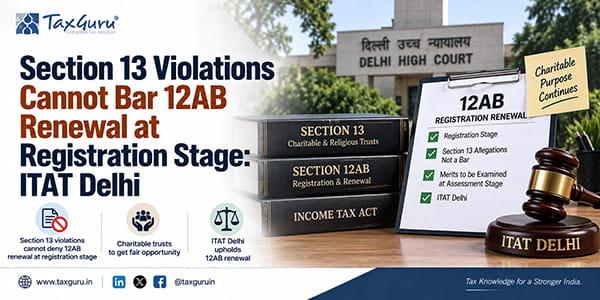
Section 13 Violations Cannot Bar 12AB Renewal at Registration Stage: ITAT Delhi

Father and Wife Funded Property: ITAT Deletes Unexplained Investment Addition
Compulsory Acquisition of Hazira Agricultural Land Not Taxable as Capital Gain: ITAT Surat
All ITAT brings together Income Tax Appellate Tribunal judgments and orders from ITAT benches across India. The archive covers income-tax disputes involving assessments and reassessments, business income, deductions, exemptions, capital gains, TDS, transfer pricing, international taxation, penalties, unexplained income, search assessments and other provisions of the Income-tax Act. Chartered Accountants, advocates, tax professionals, businesses and taxpayers can use this consolidated TaxGuru category to research ITAT precedents across different benches and follow developments in income-tax jurisprudence. Individual ITAT bench categories are also available for location-specific decisions.

