
Courts: All ITAT
Read latest ITAT judgments and orders on Income Tax, including assessments, deductions, TDS, capital gains, transfer pricing, penalties and other tax disputes.

Mere Possession Cannot Prove Ownership of Seized Gold Jewellery: Mumbai ITAT
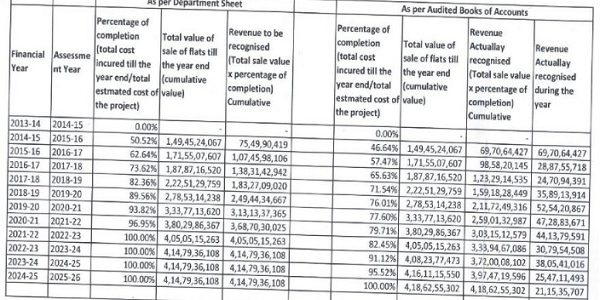
AO Cannot Recompute POCM Profits Without Rejecting Books: Ahmedabad ITAT

Time-Barred Reassessment Under Section 153 Invalid, Entire Addition Fails: ITAT Ahmedabad
Demonetisation Cash Deposits Not Unexplained if Backed by Regular Cash Sales Ahmedabad ITAT

ITAT Condones Delay in Section 270A Penalty Appeal, Orders Joint Hearing With Quantum Appeal
Only Profit on Business Bank Deposits Taxable, Not Entire Credits: ITAT Bangalore
Private Specific Trust with Sole Beneficiary Entitled to Individual Slab Rates: Jaipur ITAT
Section 43CA Inapplicable to Pre-Enactment Sale Agreements: Jaipur ITAT
CAM, Electricity and Water Charges Are Rent Under Section 194-I: Mumbai ITAT
ITAT Varanasi Remands Agricultural Land Taxability Under Section 2(14)
Mumbai ITAT: LTCG Exemption on Greencrest Shares Allowed; Investigation Report Alone Insufficient
Exempt Dividend Cannot Be Taxed Due to Wrong ITR Schedule Reporting: Mumbai ITAT
Mere Same-Year Loan Repayment Does Not Establish Genuineness: ITAT Mumbai

Delhi ITAT: U/s 12AB & 80G Rejection Set Aside for Failure to Examine Objects and Genuineness
All ITAT brings together Income Tax Appellate Tribunal judgments and orders from ITAT benches across India. The archive covers income-tax disputes involving assessments and reassessments, business income, deductions, exemptions, capital gains, TDS, transfer pricing, international taxation, penalties, unexplained income, search assessments and other provisions of the Income-tax Act. Chartered Accountants, advocates, tax professionals, businesses and taxpayers can use this consolidated TaxGuru category to research ITAT precedents across different benches and follow developments in income-tax jurisprudence. Individual ITAT bench categories are also available for location-specific decisions.

