
Courts: All ITAT
Read latest ITAT judgments and orders on Income Tax, including assessments, deductions, TDS, capital gains, transfer pricing, penalties and other tax disputes.

Bangalore ITAT: Trust Taxable on Net, Not Gross Receipts, Even If Section 11 Fails
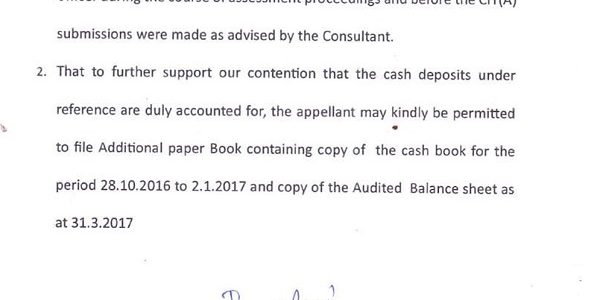
Bangalore ITAT Admits Rule 29 Evidence, Restores Cash Deposit Issue to AO

Hyderabad ITAT: Reassessment on Same Material Is Change of Opinion
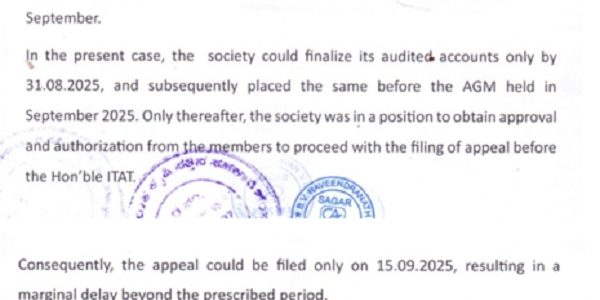
Bangalore ITAT: Demonetised Notes for Members’ Loan Recovery Not Taxable U/s 68
Jodhpur ITAT: Provisional U/s 12A/80G Cancellation Requires Specific Notice and Hearing

Jaipur ITAT: Reassessment Quashing Attains Finality After SC Dismisses Revenue’s SLP
Jodhpur ITAT: Section 10(23C)(iiiab) Exemption Denied as Grants Were Only 36.47%
Jodhpur ITAT: NSEL Bad Debt Write-Off Allowable Despite Future Recovery

Hyderabad ITAT: Section 80P Deduction Allowed After Delay Condoned u/s 119(2)(b)
Jodhpur ITAT: Penny Stock LTCG Cannot Be Treated as Bogus Without Linking Evidence

ITAT Delhi: Foreign Life Policy Not Undisclosed Asset; Maturity Proceeds Exempt
Hyderabad ITAT: Only 16% of ₹40.93 Crore On-Money Receipts Taxable
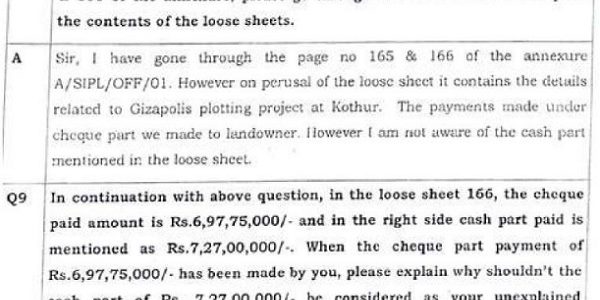
ITAT Remands ₹2.15 Crore On-Money Addition Pending Developer’s Appeal Findings
Hyderabad ITAT: ₹2.55 Crore “On-Money” Additions Deleted for Lack of Corroboration
All ITAT brings together Income Tax Appellate Tribunal judgments and orders from ITAT benches across India. The archive covers income-tax disputes involving assessments and reassessments, business income, deductions, exemptions, capital gains, TDS, transfer pricing, international taxation, penalties, unexplained income, search assessments and other provisions of the Income-tax Act. Chartered Accountants, advocates, tax professionals, businesses and taxpayers can use this consolidated TaxGuru category to research ITAT precedents across different benches and follow developments in income-tax jurisprudence. Individual ITAT bench categories are also available for location-specific decisions.

