
Courts: All High Courts
Read latest High Court judgments and orders on Income Tax, GST, Customs, Company Law and other taxation, corporate, commercial and regulatory matters.

Rajasthan HC Condoned GST Appeal Delay Citing Portal Service & Medical Circumstances

Participation in Earlier Arbitration Defeats Notice Objection: Delhi HC

Punjab and Haryana HC Grants Bail in Alleged Rs.13.09 Crore GST Fraud

Courier Licence Restoration Upheld as Outsourcing Breach Was Unproved: Bombay HC

Forest Entry Fees for Sovereign Functions Not Taxable as Tour Operator: Gujarat HC
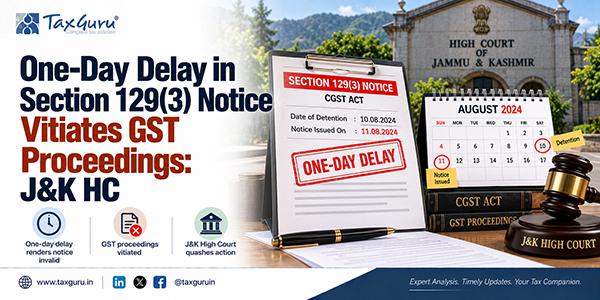
One-Day Delay in Section 129(3) Notice Vitiates GST Proceedings: J&K HC
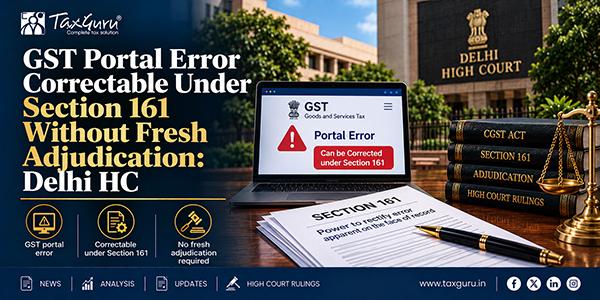
GST Portal Error Correctable Under Section 161 Without Fresh Adjudication: Delhi HC

Voluminous E-Way Bill Analysis Prompts Interim GST Protection: Gujarat HC

Delayed GST Refund Interest Claim Must First Approach Authority: Himachal Pradesh HC

KVSS Cannot Bar Refund of Tax Outside Settlement: Rajasthan HC

Personal Hearing Required Before Adverse GST Decision: Andhra Pradesh HC

Income-Tax Relief Does Not Warrant Writ-Stage Quashing of PMLA Attachment: Chhattisgarh HC

Suppressed RERA Execution Proceedings Defeat Apartment Purchasers’ Writ: Tripura HC

Section 138 Complaint Filed Before 15 Days Cannot Sustain Conviction: Karnataka HC
All High Courts brings together judgments and orders of High Courts across India published on TaxGuru. The archive covers Income Tax, GST, Customs, Company Law, Corporate Law, insolvency, commercial laws and other taxation and regulatory matters. Readers can research important questions of law, constitutional challenges, writ petitions, statutory appeals and other proceedings decided by different High Courts. Chartered Accountants, advocates, tax professionals, businesses and legal researchers can use this consolidated archive to follow High Court jurisprudence across India. Separate High Court categories are available for court-specific judgments and orders.

