
Courts: All High Courts
Read latest High Court judgments and orders on Income Tax, GST, Customs, Company Law and other taxation, corporate, commercial and regulatory matters.

Manual GST Appeal Allowed Where DRC-07 Was Not Uploaded: Telangana HC

Telangana HC Allows GST Taxpayer to File Delayed Appeal Against DRC-07 Order
Telangana HC Allows GST Appeal Against Section 74 Demand Despite Delay

Telangana HC Allows GSTAT Appeal Against Retrospective ITC Reversal Under Rule 42(3)
Appeal Allowed Against Section 73 GST Order, Delay to Be Considered: Telangana HC

Bombay HC: Ambiguous Section 271(1)(c) Notice Invalidates Penalty

CENVAT Credit Cannot Be Denied After Accepting Broadcasting Status: Bombay HC

IAC Cannot Re-Examine Investments Approved by Excise Commissioner: Gauhati HC
Calcutta HC Upholds Eviction Decree as NCLT/NCLAT Observations Did Not Establish Tenancy

Bombay HC Upholds 20 kg Pet Food Classification as Retail Sale under CTH 2309
Allahabad HC Quashes GST Demand for Notice Uploaded Under Additional Notices Tab

MP HC Upholds ITAT Order Annuling Assessment and Deleting ₹2.88 Crore Addition
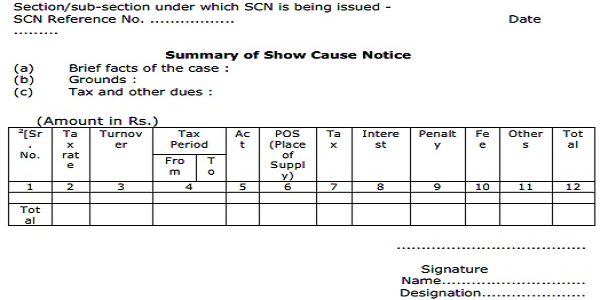
Karnataka HC Allows Consolidated GST Show Cause Notices for Multiple Years

Karnataka HC Quashes Settlement Commission Order Passed Beyond Statutory Time Limit
All High Courts brings together judgments and orders of High Courts across India published on TaxGuru. The archive covers Income Tax, GST, Customs, Company Law, Corporate Law, insolvency, commercial laws and other taxation and regulatory matters. Readers can research important questions of law, constitutional challenges, writ petitions, statutory appeals and other proceedings decided by different High Courts. Chartered Accountants, advocates, tax professionals, businesses and legal researchers can use this consolidated archive to follow High Court jurisprudence across India. Separate High Court categories are available for court-specific judgments and orders.

