

Articles by this Author
Income Tax
Income Tax
Delhi ITAT Quashes ₹1.88 Cr Reassessment: Purchases Already Examined, No Failure to Disclose
Income Tax
Income Tax
Delhi ITAT: Religious HIndu Activities Alone Cannot Deny 12AB/80G Approval
Income Tax
Income Tax
Delhi ITAT Quashes Section 263 Revision: PCIT Cannot Substitute His View for AO’s
Income Tax
Income Tax
Delhi ITAT Quashes Reassessment: No 143(2) Notice, No Valid Assessment
Income Tax
Income Tax
Delhi ITAT Quashes ₹12.62 Cr Additions: 153C Six-Year Limit Ran From Material Handover
Fema / RBI
Fema / RBI
ED Cannot Attach Bona Fide Buyers’ Accounted Plots for Developer’s Fraud: SAFEMA
Income Tax
Income Tax
Section 68 Addition Not Justified by Demonetisation Sales Spike Alone: Lucknow ITAT
Income Tax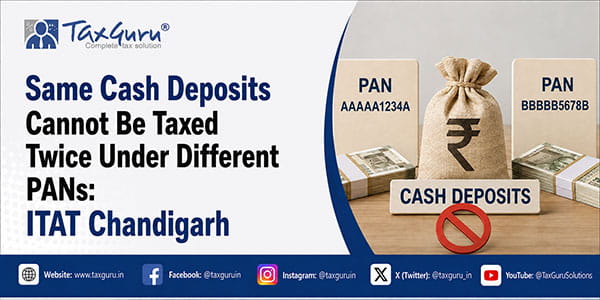
Income Tax
Same Cash Deposits Cannot Be Taxed Twice Under Different PANs: ITAT Chandigarh
Income Tax
Income Tax
Section 263 Valid Where AO Dropped Bogus Purchase Addition Without Enquiry: ITAT Chandigarh
Income Tax
Income Tax
Only Commission Income Taxable on Bogus Purchases; Entire Turnover Cannot Be Added: ITAT Delhi
Income Tax
Income Tax
Interest-Free Loans to Charitable Trusts Do Not Deny Sections 11 & 12 Exemption: ITAT Delhi
Income Tax
Income Tax
Second Section 148 Notice During Pendency of Earlier Reassessment Is Invalid: Delhi ITAT
Income Tax
Income Tax
Reassessment on Borrowed Satisfaction Invalid; Section 153C Must Apply: ITAT Ahmedabad
Income Tax
Income Tax

