

Articles by this Author
Income Tax
Income Tax
Hyderabad ITAT: Reassessment on Same Material Is Change of Opinion
Income Tax
Income Tax
Bangalore ITAT: Demonetised Notes for Members’ Loan Recovery Not Taxable U/s 68
Income Tax
Income Tax
Jodhpur ITAT: Provisional U/s 12A/80G Cancellation Requires Specific Notice and Hearing
Income Tax
Income Tax
Jaipur ITAT: Reassessment Quashing Attains Finality After SC Dismisses Revenue’s SLP
Income Tax
Income Tax
Jodhpur ITAT: Section 10(23C)(iiiab) Exemption Denied as Grants Were Only 36.47%
Income Tax
Income Tax
Jodhpur ITAT: NSEL Bad Debt Write-Off Allowable Despite Future Recovery
Income Tax
Income Tax
Hyderabad ITAT: Section 80P Deduction Allowed After Delay Condoned u/s 119(2)(b)
Income Tax
Income Tax
Jodhpur ITAT: Penny Stock LTCG Cannot Be Treated as Bogus Without Linking Evidence
Income Tax
Income Tax
Hyderabad ITAT: Only 16% of ₹40.93 Crore On-Money Receipts Taxable
Income Tax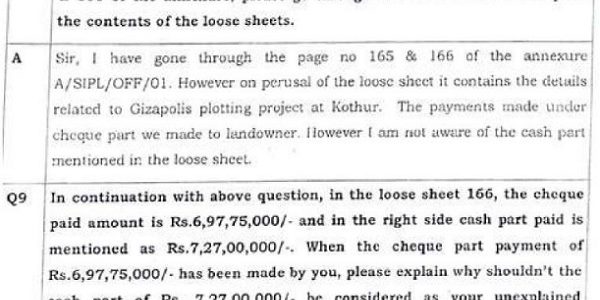
Income Tax
ITAT Remands ₹2.15 Crore On-Money Addition Pending Developer’s Appeal Findings
Income Tax
Income Tax
Hyderabad ITAT: ₹2.55 Crore “On-Money” Additions Deleted for Lack of Corroboration
Income Tax
Income Tax
Hyderabad ITAT: Full 10(10B) Exemption for BSNL VRS-2019; 1,811-Day Delay Condoned
Income Tax
Income Tax
Lucknow ITAT: Sales Spike Alone Cannot Tax Demonetisation Cash as Unexplained
Income Tax
Income Tax

