
#Section 144
Log in to FollowLatest Section 144 updates, provisions, case laws, compliance requirements, tax implications and expert analysis under Income-tax law on TaxGuru.
Income Tax
Income Tax
ITAT Delhi Deletes Section 68 Addition as Unsecured Loan Was Repaid Through Banking Channels
Income Tax
Income Tax
Delhi ITAT Deletes Sections 271D & 271E Penalties for Farmers’ Cash Transactions
Income Tax
Income Tax
Delhi ITAT Quashes Reassessment for Failure to Issue Mandatory Notice under Section 143(2)
Income Tax
Income Tax
Mumbai ITAT: PCIT Cannot Invoke Section 263 on Issues Already Pending Before CIT(A)
Income Tax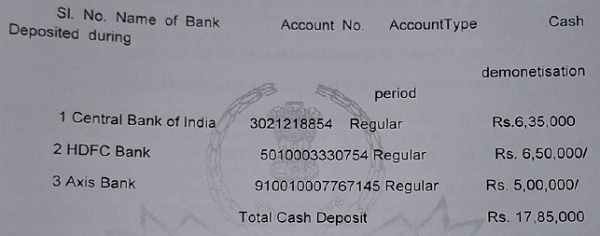
Income Tax
ITAT Deletes ₹17.85 Lakh Addition on Sikkim Land Sale Cash Deposits Under Section 10(26AAA)
Income Tax
Income Tax
No Addition Where Stamp Duty Value Difference Is Within Tolerance Limit: ITAT Rajkot
Income Tax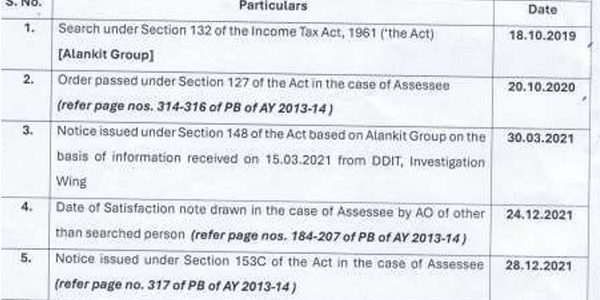
Income Tax
Search Cases With Common Assessing Officer Governed by Section 127 Transfer Date: ITAT Delhi
Income Tax
Income Tax
ITAT Delhi Quashes Assessment for Invalid Section 143(2) Notice by Incompetent Authority
Income Tax
Income Tax
ITAT Raipur Quashes Section 143(3) Assessment for Absence of Section 143(2) Notice
Income Tax
Income Tax
ITAT Delhi Quashes Section 153C Assessments for AYs Outside Ten-Year Block Period
Income Tax
Income Tax
ITAT Chennai: Delay Due to Pending Writ Petition Condoned; CIT(A) Directed to Hear Appeal
Income Tax
Income Tax
ITAT Pune Sets Aside CIT(A) Order for Denial of Video Conferencing Hearing
Income Tax
Income Tax
Andhra Pradesh HC: 166-Day Delay Not Condoned Due to Repeated Non-Participation
Income Tax
Income Tax
Bombay HC Quashes Faceless Reassessment Order for Breach of Natural Justice
Explore the latest Section 144 updates on TaxGuru, including relevant Income-tax Act provisions, rules, notifications, circulars, judicial decisions and compliance guidance. The coverage highlights important tax positions, procedural requirements, assessments, deductions, penalties and litigation developments to help taxpayers and professionals understand the practical implications of changes in income-tax law.

