
#Section 144
Log in to FollowLatest Section 144 updates, provisions, case laws, compliance requirements, tax implications and expert analysis under Income-tax law on TaxGuru.
Income Tax
Income Tax
No Bar for Bengali Hindu to Form HUF Under Dayabhaga Law: ITAT Deletes Addition
Income Tax
Income Tax
Non-Service of Order Sufficient Cause; 137-Day Delay Condoned: Amritsar ITAT
Income Tax
Income Tax
ITAT Indore Limits ₹46.78 Lakh Section 69 Addition to ₹8 Lakh Based on Actual Purchase Price
Income Tax
Income Tax
ITAT Delhi Quashes Search Assessment as Time-Barred Under Section 153C
Income Tax
Income Tax
ITAT Hyderabad Applies Circle Rate for JDA Gains, Restores Section 54F
Income Tax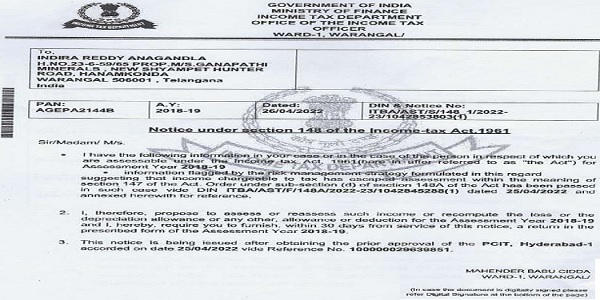
Income Tax
ITAT Hyderabad Quashes Reassessment Where PCIT Approved Notice Beyond Three Years
Income Tax
Income Tax
ITAT Pune Stays ₹4.11 Cr Tax Demand Over Frozen RERA Account
Income Tax
Income Tax
Ahmedabad ITAT: Bogus Purchase Addition Limited to 12.5% Profit Where Sales Accepted
Income Tax
Income Tax
No Capital Gain Taxation on Untransferred JDA Land: ITAT Pune
Income Tax
Income Tax
ITAT Chandigarh Remanded Cash Deposit Additions Over Multiple PAN Issue
Income Tax
Income Tax
Delhi ITAT Quashes Time-Barred Section 153C Assessments After Section 127 Transfer
Income Tax
Income Tax
Hyderabad ITAT: Appeal Delay Impliedly Condoned When CIT(A) Decides Case on Merits
Income Tax
Income Tax
Panaji ITAT Quashes Section 147 Reassessment When No Addition Made on Reopened Issue
Income Tax
Income Tax
Hyderabad ITAT: ₹12.69 Lakh Demonetisation Cash Addition Deleted for Explained Bank Withdrawals
Explore the latest Section 144 updates on TaxGuru, including relevant Income-tax Act provisions, rules, notifications, circulars, judicial decisions and compliance guidance. The coverage highlights important tax positions, procedural requirements, assessments, deductions, penalties and litigation developments to help taxpayers and professionals understand the practical implications of changes in income-tax law.

