
Courts: ITAT Mumbai
Find latest ITAT Mumbai judgments, orders and case laws on income tax covering assessments, transfer pricing, international taxation, capital gains, TDS, reassessment and penalties.

Allotment Letter Qualifies as Agreement for Section 56(2)(x) Valuation: ITAT Mumbai
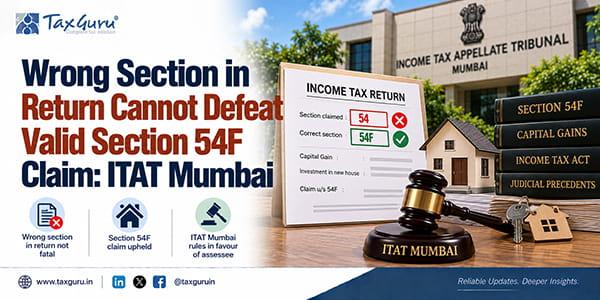
Wrong Section in Return Cannot Defeat Valid Section 54F Claim: ITAT Mumbai

Section 43CA Inapplicable to Additional Rehabilitation Area Given to Tenants: ITAT Mumbai
Technical Error Cannot Defeat Section 12AB Renewal: Mumbai ITAT
Marine Engineering Training Is Education: ITAT Restores Section 11 Exemption for Four Years
No PE for US Company; Reimbursements Not Taxable as FIS: ITAT Mumbai
Section 56(2)(vii)(b) Cannot Automatically Apply to Unconstructed Flat: ITAT Mumbai
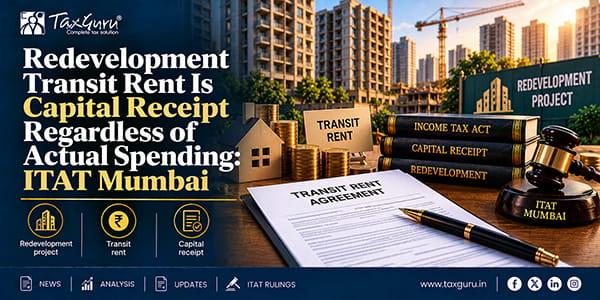
Redevelopment Transit Rent Is Capital Receipt Regardless of Actual Spending: ITAT Mumbai
Section 148A(d) Order After Limitation Makes Reassessment Void: ITAT Mumbai
AO Disallowed 25% of Purchases; PCIT Wanted 100%: Mumbai ITAT Quashes Section 263 Revision
Section 143(2) Cannot Replace Section 148 After Post-2021 Search: ITAT Mumbai
Section 153C Requires Year-Specific Nexus With Seized Material: ITAT Mumbai
Section 12AB Renewal Cannot Be Rejected Without Identifying Missing Documents: ITAT Mumbai
₹2.22 Crore Property Addition Made Ex Parte Remanded for Fresh Examination: ITAT Mumbai
ITAT Mumbai judgments and orders represent an extensive body of income-tax appellate jurisprudence covering individuals, businesses, companies and other taxpayers. This TaxGuru page brings together decisions relating to assessments, additions, deductions, exemptions, business income, capital gains, transfer pricing, international taxation, TDS, reassessment, unexplained income, penalties and procedural disputes. Chartered Accountants, advocates, companies, taxpayers and tax professionals can use this collection to research ITAT Mumbai precedents and follow important developments under the Income-tax Act. The page includes recent as well as significant earlier Tribunal decisions published on TaxGuru, providing a comprehensive reference point for direct tax case-law research and appellate practice.

