
Courts: ITAT Mumbai
Find latest ITAT Mumbai judgments, orders and case laws on income tax covering assessments, transfer pricing, international taxation, capital gains, TDS, reassessment and penalties.

ITAT Deletes ₹20.39-Lakh Double Additions u/s 69A & 69C
ITAT Deletes ₹81.40-Lakh On-Money Addition for Lack of Evidence

Ignorance Cannot Excuse 689-Day Delay Against Section 263 Order, ITAT Holds
No Section 69 Addition, No 271AAC Penalty, ITAT Quashes Section 263 Revision
Section 28 Interest Travels With Land Compensation: ITAT Deletes ₹14.26-Lakh Addition
ITAT Mumbai Restores 12AB Registration, Rejects Commerciality & Foreign Expenditure Grounds
ITAT Mumbai Remands 12AB Cancellation for Clear Specified Violation Charges
Pre-29 March 2022 Faceless Reassessment Without Jurisdiction: ITAT Mumbai
ITAT Mumbai Deletes Management Fee TP Adjustment Applying Consistency in Earlier Years
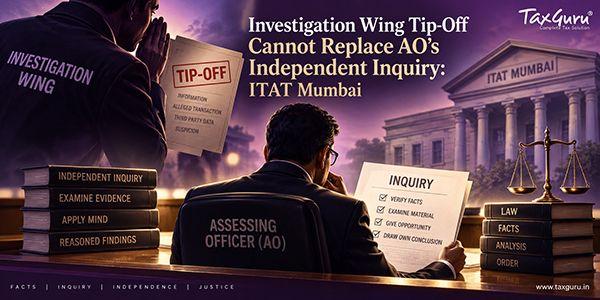
Investigation Wing Tip-Off Cannot Replace AO’s Independent Inquiry: ITAT Mumbai
Repaid Loans Not Accommodation Entries: ITAT Mumbai Quashes Section 68 Addition
ITAT Mumbai Deletes Section 68 Addition Based on Accommodation Entry Statement
ITAT Mumbai Allows Section 80G Deduction for CSR Donations Despite Section 37 Disallowance
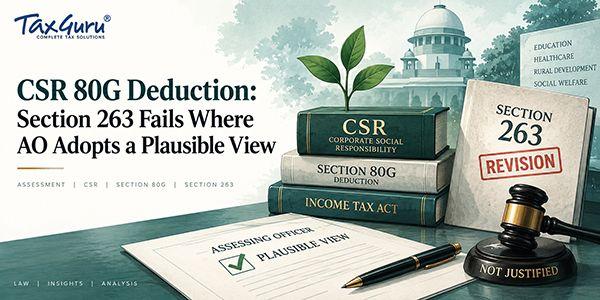
CSR 80G Deduction: Section 263 Fails Where AO Adopts a Plausible View
ITAT Mumbai judgments and orders represent an extensive body of income-tax appellate jurisprudence covering individuals, businesses, companies and other taxpayers. This TaxGuru page brings together decisions relating to assessments, additions, deductions, exemptions, business income, capital gains, transfer pricing, international taxation, TDS, reassessment, unexplained income, penalties and procedural disputes. Chartered Accountants, advocates, companies, taxpayers and tax professionals can use this collection to research ITAT Mumbai precedents and follow important developments under the Income-tax Act. The page includes recent as well as significant earlier Tribunal decisions published on TaxGuru, providing a comprehensive reference point for direct tax case-law research and appellate practice.

