
Courts: ITAT Jaipur
Find latest ITAT Jaipur judgments, orders and case laws on income tax covering assessments, additions, deductions, exemptions, capital gains, reassessment, TDS and penalties.
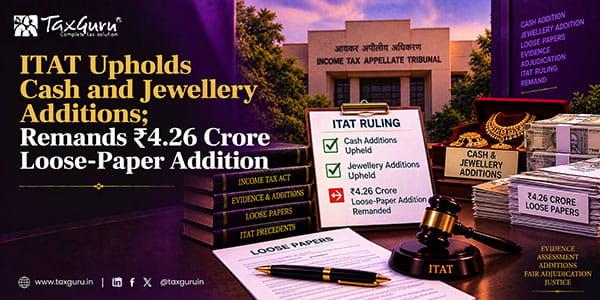
ITAT Upholds Cash and Jewellery Additions; Remands ₹4.26 Crore Loose-Paper Addition

₹1.49 Crore Land Acquisition Interest: A Possible View Cannot Be Revised Under Section 263
Own Funds Exceed Investments & Advances: ITAT Deletes ₹30.58 Lakh Interest & TP Additions
₹33.50 Lakh Section 154 Addition Remanded for Fresh Hearing: ITAT Jaipur
ITAT Disallows ₹20.67 Lakh Capital Loss on Personally Used Mercedes Car
₹9.04 Lakh Leave Encashment Fully Exempt Despite Earlier Retirement: ITAT Jaipur
Section 263 Revision Valid Where AO Ignored Adverse Loan Information: ITAT Jaipur
ITAT Jaipur Allows Bank’s AFS MTM Loss and Standard Asset Provision
Inter-Bank Transfers Cannot Inflate Consolidated Peak Credit: ITAT Jaipur
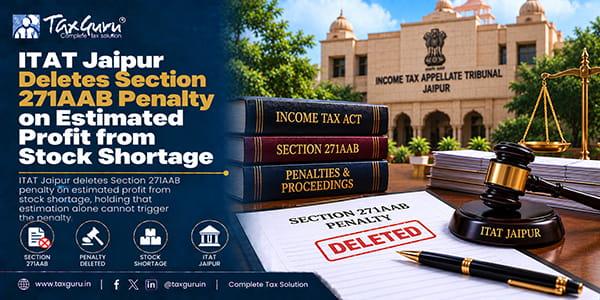
ITAT Jaipur Deletes Section 271AAB Penalty on Estimated Profit from Stock Shortage
Interest-Free Funds Bar Interest Disallowance; Book Profit Not Cash Credit: ITAT Jaipur
Section 270A Penalty Deleted on Bona Fide Non-Filing Explanation: ITAT Jaipur
Demonetisation Cash Sales Explained by Books and VAT Returns: ITAT Jaipur Deletes Section 69A Addition
Form 26A Verification Ordered for TDS Default on HUDCO Interest: ITAT Jaipur
ITAT Jaipur judgments and orders cover numerous issues arising in income-tax assessments and appeals. This page brings together Tribunal decisions relating to additions, deductions, exemptions, capital gains, business income, unexplained income, reassessment, TDS, penalties, limitation and procedural matters. Taxpayers, businesses, Chartered Accountants, advocates and consultants can use this collection to research ITAT Jaipur case laws and locate precedents relevant to their disputes. TaxGuru provides access to recent and significant earlier ITAT Jaipur decisions published on the website, helping readers follow developments in direct tax jurisprudence.

