
Courts: CESTAT Mumbai
Find latest CESTAT Mumbai judgments and orders on Customs, Central Excise and Service Tax covering imports, classification, valuation, CENVAT credit, refunds, demands and penalties.
CESTAT Mumbai Deletes Section 112(a) Penalty on Customs Hawaldar for Lack of Proof
Mutual Fund Investment Not Trading for CENVAT Credit Reversal: CESTAT Mumbai

CESTAT Mumbai Sets Aside Service Tax on Penalties and Liquidated Damages
Revenue Withdraws UPS Customs Exemption Appeals After Issue Settled: CESTAT Mumbai
Transponder Services from Foreign Satellite Providers Not Taxable as BSS: CESTAT Mumbai
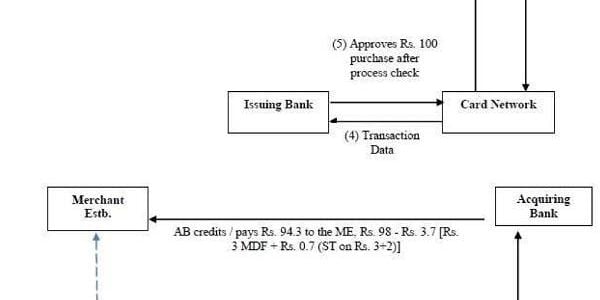
Interchange Fee Not Separately Taxable When Service Tax Paid on MDR: CESTAT Mumbai
ECB Support to Singapore Head Office Not Intermediary Service: CESTAT Mumbai
CESTAT Mumbai Sets Aside 18% IGST Demand on Imported Diagnostic Kits
Initial Sale of CPP Electricity Does Not Deny CENVAT Credit: CESTAT Mumbai
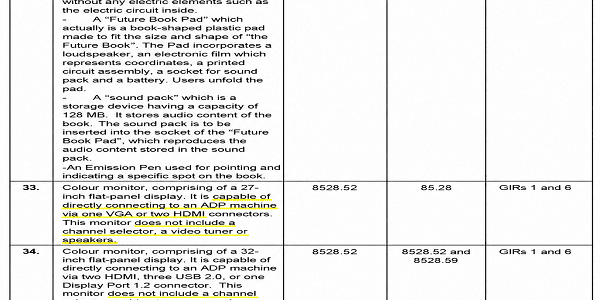
Medical Monitors Classifiable Under 8528 52 00: CESTAT Mumbai
CESTAT Mumbai Sets Aside Customs Valuation Enhancement Based on NIDB Data
Indefinite CCSP Licence Suspension Cannot Become Punitive: CESTAT Mumbai
CESTAT Chennai Sets Aside Service Tax on Dealer Incentives and Forfeited Car Advances
CESTAT Mumbai Sets Aside Service Tax Demands on Coal Short-Lifting Compensation
CESTAT Mumbai judgments and orders form an extensive body of appellate case law relating to Customs, Central Excise and Service Tax. This TaxGuru page compiles CESTAT Mumbai decisions concerning imports and exports, customs classification and valuation, exemption notifications, CENVAT credit, refunds, service tax liability, duty and tax demands, limitation, interest, penalties, confiscation and other indirect tax disputes. Importers, exporters, manufacturers, service providers, businesses, Chartered Accountants, advocates and tax professionals can use this collection to research Tribunal precedents and follow developments relevant to their matters. The page includes recent Customs decisions as well as significant legacy Central Excise and Service Tax judgments that continue to have relevance for pending disputes. TaxGuru brings these CESTAT Mumbai judgments and orders together to provide a convenient and searchable resource for indirect tax case-law research.

