
Courts: CAAR
Read latest Customs Authority for Advance Rulings decisions on customs classification, valuation, exemptions, notifications and other customs matters.
Custom Duty
Custom Duty
Milk Mineral Concentrate VitalArmor Ca M10 Classifiable Under Heading 2106
Custom Duty
Custom Duty
LVDS Camera Parts Classification: CAAR Mumbai Rules on CTH 85299090
Custom Duty
Custom Duty
PV Lumens’ Portable Computers Classifiable Under CTH 84713090: CAAR Mumbai
Custom Duty
Custom Duty
AC Wired Remote Controllers Classifiable Under Tariff 85371090: CAAR Delhi
Custom Duty
Custom Duty
Mobile Phone Components Classifiable Under Tariff 8517 79 90: CAAR Delhi
Custom Duty
Custom Duty
Forklift Drive Train Classified Under CTI 8431 20 10 as Parts of Forklift Truck: CAAR
Custom Duty
Custom Duty
Nuclease-Free Water Classifiable as Distilled Water: CAAR Delhi
Custom Duty
Custom Duty
Motorola Push-to-Talk Devices Are Telephones, Not Network Equipment: CAAR Delhi
Custom Duty
Custom Duty
Aircraft Ground Support Units Classified as Aircraft Parts: CAAR Delhi
Custom Duty
Custom Duty
Decorative PVC and PS Wall Panels Classified Under CTH 3921: CAAR Delhi
Custom Duty
Custom Duty
Optical Transceivers Are “Parts” Under Tariff Item 8517 79 90, Eligible for Nil Customs Duty
Custom Duty
Custom Duty
HSN classification for bamboo pulp paper products & bamboo/wooden kitchenware
Custom Duty
Custom Duty
CAAR Mumbai Clarifies Customs Classification for Bamboo Pulp-Based Paper Products
Custom Duty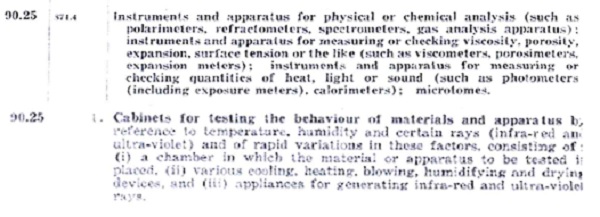
Custom Duty
Climatic Test Chambers Classifiable Under CTH 9027 as Physical Analysis Apparatus
CAAR (Customs Authority for Advance Rulings) provides advance rulings on specified questions arising under Customs law. This TaxGuru archive brings together CAAR rulings concerning classification of imported or exported goods, valuation, exemptions, applicability of Customs notifications and other matters falling within the Authority’s jurisdiction. Importers, exporters, customs brokers, businesses and professionals can use this category to research advance rulings and obtain insight into the treatment of customs issues in specific transactions.

