
Courts: All ITAT
Read latest ITAT judgments and orders on Income Tax, including assessments, deductions, TDS, capital gains, transfer pricing, penalties and other tax disputes.

Section 69C Addition Deleted for Lack of Corroborative Evidence & Cross-Examination: ITAT Pune

Foreign Tax Credit Cannot Be Denied for Delayed Form 67 Filing: ITAT Mumbai

Strategic Investments of Bank Taxable as Capital Gains, Not Business Income: ITAT Ahmedabad

State DISCOM Tariff, Not IEX Rates, to Benchmark Captive Power Transfers Under Section 80-IA: ITAT Delhi
Section 80P Deduction Allowed on Interest & Dividend Income of Co-op Credit Society: ITAT Pune
Section 80P Deduction Allowed on Interest Earned from Bank Deposits by Co-operative Credit Society: ITAT Pune
Section 80P Deduction Allowed on Interest from Co-operative Bank Deposits: ITAT Pune

Income Declared in Original Return Cannot Be Reduced in Section 148 Return: ITAT Hyderabad
Registered Sale Deed Triggers Capital Gains Despite Dispute Over Consideration: ITAT Hyderabad
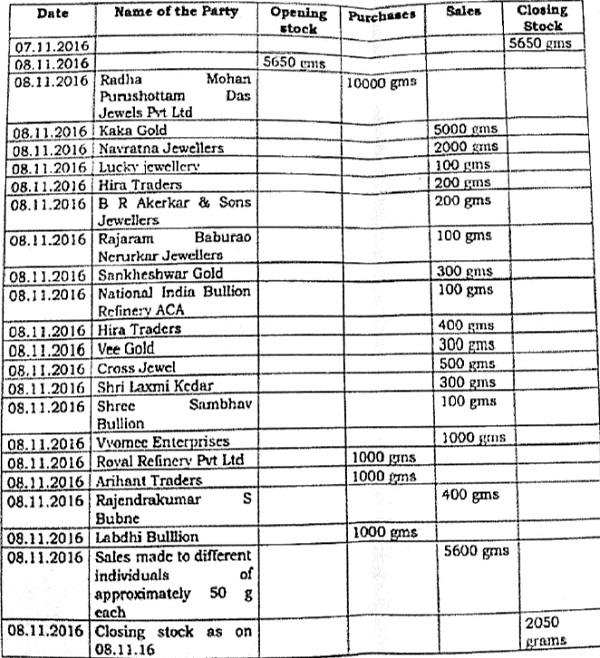
ITAT Mumbai Deletes Section 68 Addition on Recorded Cash Sales
ITAT Pune Allows Section 80P(2)(d) Deduction on Co-operative Bank Dividends
ITAT Pune Remands Section 80P Deduction Claim Following Precedents
ITAT Pune Allows Section 80P(2)(a)(i) Deduction on Co-op Bank Interest

Oral Agreement with Cheque Advance Valid for Agreement Date Stamp Value: ITAT Chennai
All ITAT brings together Income Tax Appellate Tribunal judgments and orders from ITAT benches across India. The archive covers income-tax disputes involving assessments and reassessments, business income, deductions, exemptions, capital gains, TDS, transfer pricing, international taxation, penalties, unexplained income, search assessments and other provisions of the Income-tax Act. Chartered Accountants, advocates, tax professionals, businesses and taxpayers can use this consolidated TaxGuru category to research ITAT precedents across different benches and follow developments in income-tax jurisprudence. Individual ITAT bench categories are also available for location-specific decisions.

